

Explore this page
Royal Signs & Awnings provides design, production, and installation support for projects in and around Houston. Call (346) 658-2412 to discuss the location, goals, and options for your project.
Begin with the property rules and the customer route
A Sugar Land sign project often starts with two documents: the brand artwork and the landlord or property criteria. The first shows how the company should look; the second defines what the location can support. Sign bands, raceways, illumination, mounting, colors, panel formats, and review steps may be controlled by the lease or center standards. At the same time, the team should follow the customer route from the road to the suite. That reveals where identification, confirmation, directions, hours, and interior guidance are actually needed.
Use the storefront to establish a clear hierarchy
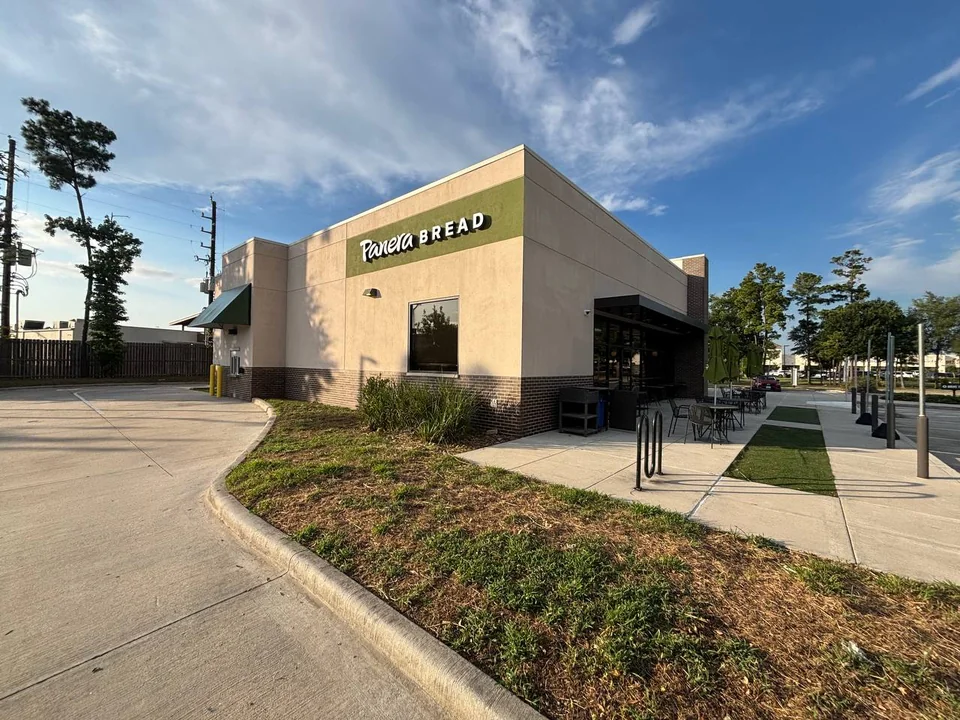
A storefront can include a main sign, door information, window graphics, promotional messages, and neighboring tenant signs within a small area. The primary name or logo should remain dominant. Supporting details belong at a smaller scale or a closer viewing point. Filling every window with text may provide information but can weaken the overall presentation and reduce visibility into the space. A planned hierarchy lets the business look established while still communicating hours, services, privacy needs, or current promotions.
Build trust after the customer enters
The visual experience should not stop at the door. A reception logo sign can confirm the brand, while room identification, directories, and directional signs make the space easier to use. Material choices can reflect the character of the business: dimensional acrylic or metal may suit a professional office, while layered graphics and warmer finishes may fit a customer-focused retail or hospitality setting. The objective is not decoration for its own sake. Interior signs should help visitors feel they arrived at the correct place and understand what to do next.
Plan around opening, relocation, or rebranding
A company preparing a Sugar Land location may be coordinating construction, inspections, furniture, technology, staffing, and marketing at the same time. Signage depends on several of those activities. Final field conditions, approved elevations, electrical availability, paint completion, and access can affect production and installation. Setting sign priorities early allows critical identification to move first and supporting pieces to follow in an orderly sequence. For a rebrand, an inventory of existing structures can identify what may be updated and what should be replaced.
What to consider before ordering a Sugar Land business signage package
The strongest projects begin with a short, concrete brief. Identify the main audience, the most important viewing direction, the message that must be understood first, and the action the viewer should take. For this page, the central planning question is meeting brand goals and site requirements while creating a clear path from property identification to the front door and through the interior. Share current photos, approximate dimensions, brand files, property requirements, and the desired timing. Those details allow recommendations to respond to the real site instead of relying on assumptions. They also make it easier to separate must-have performance requirements from optional visual upgrades.
Options that can be matched to the project
Relevant solutions may include storefront signs, building letters, window graphics, lobby logo signs, office and room signs, directional signs, monument tenant panels, and promotional graphics. These are not interchangeable products. Each has a different strength, cost structure, viewing pattern, and installation need. The right selection depends on a leased storefront, office, standalone building, mixed-use property, or customer-facing interior in Sugar Land. Royal Signs & Awnings can help compare practical alternatives in the context of the brand and property. A useful comparison explains how each option communicates, what supporting conditions it needs, how it may be maintained, and where it fits within the larger sign or display system.
Design for legibility before adding detail
People should understand the primary message without studying the display. That requires a clear hierarchy: brand or destination first, essential supporting information second, and optional detail only where viewing time allows it. Letterform, spacing, contrast, color, and surrounding negative space work together. A proof should be reviewed at a scale that reflects actual use, not only enlarged on a monitor. For Sugar Land business signage package projects, simplifying a busy logo treatment or relocating secondary text can improve recognition without changing the identity of the brand.
Site review and accurate project scope
A site review connects design ideas to physical conditions. The team may need to verify dimensions, surfaces, access, sightlines, electrical availability, existing components, nearby obstacles, and property procedures. For work at a leased storefront, office, standalone building, mixed-use property, or customer-facing interior in Sugar Land, small conditions can influence the recommended construction or installation method. The scope should state what is being supplied, what existing elements are being reused, which approvals are the customer's responsibility, and which assumptions still require confirmation. Clear scope language helps the customer compare proposals on equal terms.
Materials and finishes should support the environment
Material selection is not only an appearance decision. Weight, rigidity, finish durability, light transmission, cleanability, attachment, and replacement needs can all matter. Colors and textures should be evaluated alongside the building or event environment, because samples viewed indoors may respond differently in direct sun or artificial light. The practical objective is a Sugar Land business signage package that presents the brand well and can be cared for sensibly. Where components will age at different rates, the design should allow service or replacement without forcing an unnecessary rebuild.
A straightforward project process
A typical project moves from discovery to field verification, concept development, proofing, production planning, fabrication or printing, and installation or delivery. The sequence may change when landlord review, property coordination, permitting, engineering, electrical preparation, or special access is involved. Customer approvals are meaningful checkpoints: names, spelling, colors, dimensions, quantities, placement, and message content should be confirmed before production. A realistic schedule begins only after dependencies are known. This reduces rushed decisions and gives Sugar Land retailers, restaurants, medical practices, professional offices, service companies, property teams, and organizations opening or updating a location a clearer understanding of what happens next.
How to prepare for a useful quote
Send several wide and close photos, the project address, the business name exactly as it should appear, usable logo files, approximate measurements, and a short explanation of the goal. Include lease or property criteria if they exist. Note whether the project replaces something already installed and whether power, access equipment, or removal may be needed. It is also helpful to identify the decision maker and target date. A budget range can guide the team toward realistic alternatives, but the final recommendation should still explain the tradeoffs rather than simply reducing size or quality without context.
Protect the investment after completion
Keep approved artwork, color references, drawings, product details, and service contacts with the property records. Periodic visual checks can catch loose components, water marks, fading, blocked visibility, surface damage, or lighting changes before they become larger problems. Cleaning methods should suit the face and finish; harsh chemicals or improvised pressure washing can damage graphics and seals. If the brand changes, review which components can be updated and which should remain. Documentation makes later repairs, replacement parts, tenant changes, and repeat orders more accurate.
Why work with Royal Signs & Awnings for business signs Sugar Land TX
Royal Signs & Awnings approaches signage as a business communication project grounded in the site. The conversation begins with how the customer should find, understand, or interact with the brand. From there, the team can develop a practical path through design, production, and installation or delivery. Clients can discuss one immediate need or a coordinated set of signs. For a quote, call (346) 658-2412 or send the project address, photos, artwork, and goals through the contact form. The more specific the starting information, the more useful the first recommendation can be.
Questions to resolve before approval
Before approving the Sugar Land business signage package, confirm the exact message, spelling, colors, quantity, orientation, and placement. Ask what is included in installation or delivery, what the customer must provide, and what conditions could change the price or schedule. Confirm whether removal, surface repair, electrical work, access equipment, or property coordination is included. These checks are simple, but they prevent many misunderstandings and give everyone one approved reference for the work.
Measure success in practical terms
The purpose of this project is clearer customer communication. After completion, observe whether people identify the location sooner, ask fewer directional questions, notice the intended message, or interact more confidently with the space. Photography can document the finished work, while staff feedback can reveal problems that are not obvious in a proof. If the Sugar Land business signage package is part of a wider program, these observations can improve the next phase and help the business develop more consistent standards.
Keep the message current
Even a durable sign or display can lose value if the information around it becomes outdated. Review phone numbers, hours, tenant names, service descriptions, promotional dates, and directional language whenever operations change. Remove temporary additions that obscure the main design. When an update is needed, start from the approved files rather than rebuilding artwork from a photograph. Small, orderly updates preserve credibility and are usually easier to manage than waiting until several mismatched changes have accumulated.
Related sign and display options
Explore: Business Signs • Storefront Signs • Lobby Signs • Window Graphics • Outdoor Signs
Request a quote
Tell Royal Signs & Awnings what you need, where it will be used, and what you want customers to notice first. Call (346) 658-2412 or use the website contact form to share the project address, photos, artwork, and timing.
Let’s talk about your sign.
Share your location, artwork and project goals with our Houston team.
Request a ConsultationPROJECT QUESTIONS
Frequently asked questions
What business signs are useful for a Sugar Land storefront?
A typical package may include a main storefront sign, door information, window graphics, and interior identification or direction. Property criteria determine what is allowed.
Should I get landlord approval before production?
Yes. Obtain the current sign criteria and required written approvals before production or installation.
Can you coordinate interior and exterior branding?
Yes. Logo use, colors, typography, and materials can be planned as one system while each sign remains appropriate to its location.
Can existing tenant panels or cabinets be updated?
Often, after the structure, dimensions, lighting, and condition are verified.
What should I send for a Sugar Land sign quote?
Send the project address, storefront and interior photos, brand files, lease criteria, sign list, target date, and approximate dimensions.