Explore this page
With around 30 years of sign-industry experience, Royal Signs & Awnings develops coordinated sign packages for Houston retailers, offices, restaurants, medical practices, service businesses, industrial facilities, property managers, and multi-location organizations. A useful project begins with the customer journey and the company's operational needs, then selects sign types that perform each job. Call (346) 644-6749 or send the address, photographs, floor plan, brand files, sign list, and desired schedule through the contact form.
Define what the signs must accomplish
A new location may need roadside visibility, building identification, door information, reception branding, interior directions, and room identification. An established business may need a rebrand, a replacement for damaged signs, or a consistent system across several properties. Write down the decisions customers and employees need to make from arrival to departure. This separates essential signs from attractive additions and helps set priorities. It also prevents the main storefront sign from carrying operating instructions, every service, several contact methods, and promotional details that belong elsewhere in the property or on the website.
Create recognition before the entrance
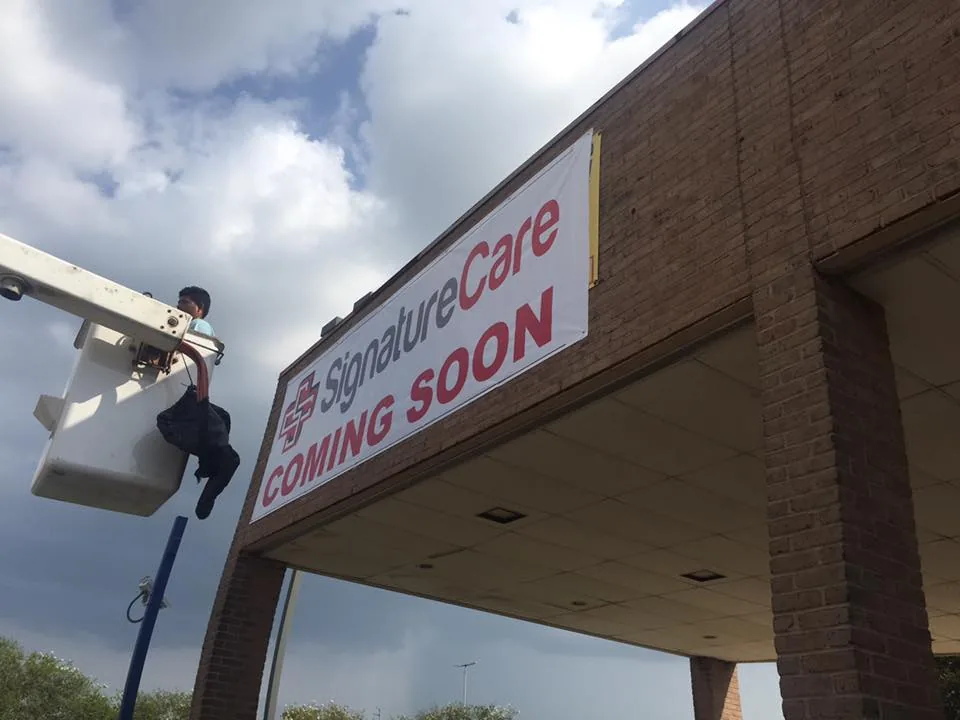
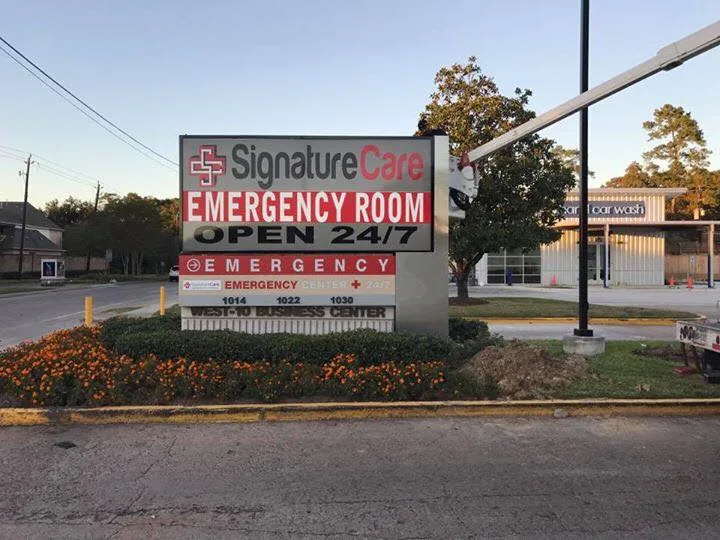
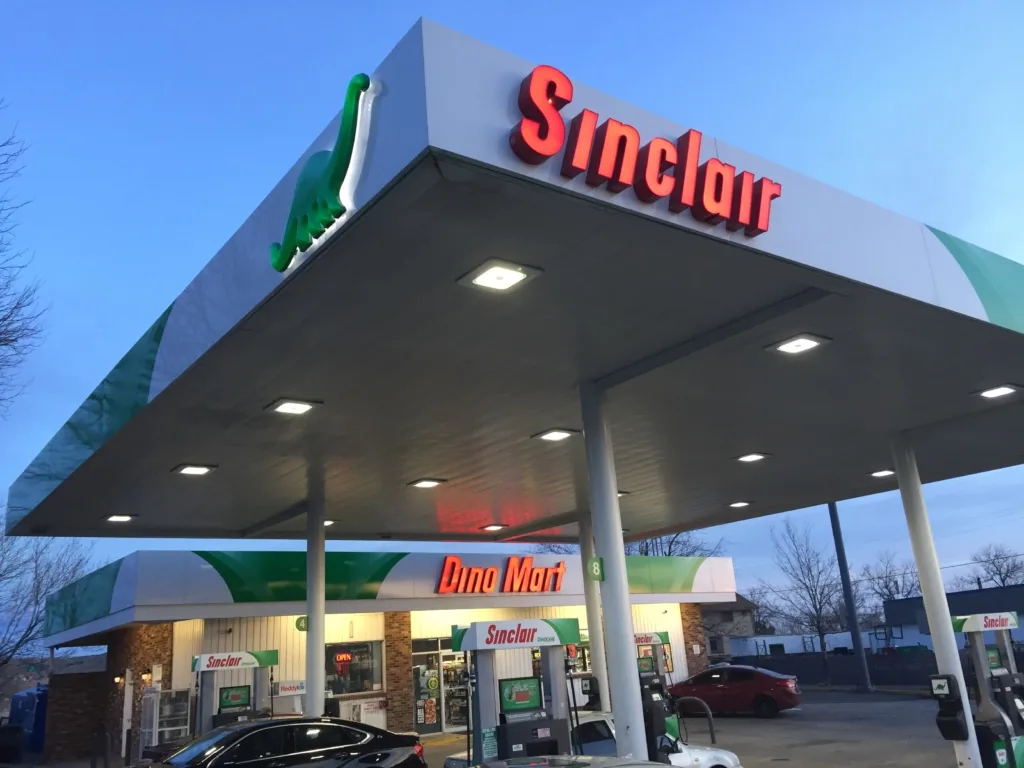
Customers first need to connect the property with the business they intended to visit. Depending on the site, recognition may come from a monument or pylon near the road, channel letters on the facade, an awning over the entrance, a cabinet sign, or window graphics at pedestrian level. The sign should be legible from the normal approach and should clearly relate to the correct tenant space. Site distance, traffic, neighboring signs, landscaping, and building configuration matter. A design that responds to those conditions is more useful than selecting a familiar product without reviewing where it will work.
Carry the brand into the customer experience
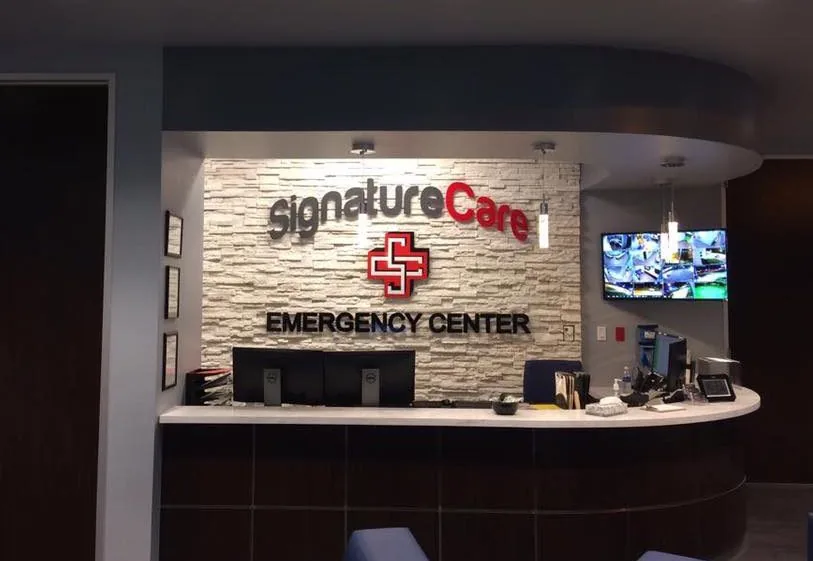
The exterior sign introduces the company, while lobby, wall, office, and directional signs continue the experience indoors. Consistency does not require every item to use the same material or construction. It means the logo, colors, terminology, typography, and tone feel related. A dimensional reception logo may express the brand closely, while room identification must prioritize clarity and any applicable accessibility needs. By planning the major touchpoints together, the business can avoid a polished entrance followed by mismatched printed notices, outdated names, and unrelated sign styles farther inside.
Choose sign types according to viewing conditions
A driver sees a different amount of information from a visitor standing at a directory or service counter. Exterior identification needs a simple hierarchy and sufficient scale. Window graphics can support hours, privacy, or a campaign. A lobby sign can use depth and finish because viewers are close. Directories and wayfinding signs organize more detailed information. Point-of-purchase and menu signs support decisions where customers can pause. Assigning each message to the right viewing condition improves readability and allows the business to use several sign types without making the property feel cluttered.
Business Sign Manufacturing in Houston
A dependable sign package connects design, fabrication, and installation instead of treating them as unrelated purchases. Brand artwork created for a screen may contain fine strokes, small taglines, gradients, or color relationships that do not translate directly to metal, acrylic, vinyl, illumination, or distance. Royal Signs & Awnings can prepare production details around the approved concept and confirmed site conditions. Provide vector files and current brand standards when available. Materials, depth, finishes, lighting, mounting, and access should support both the desired appearance and the way the sign will be installed and maintained. If several logo arrangements exist, select the one that fits the available area without compressing the identity.
Plan for changing information
Employee names, tenant listings, departments, hours, prices, and promotions change more often than the business logo. Identify those messages early and use suitable inserts, rails, frames, panels, films, or modular components. Permanent parts can carry the brand, while updateable areas remain controlled and easy to replace. Establish who approves changes and keep the source files in one place. Without a planned method, staff often add taped paper or inconsistent temporary graphics. A changeable system protects the investment and keeps routine updates from weakening the professional appearance of the location.
Coordinate property and compliance needs
Lease criteria, building standards, permits, accessibility requirements, electrical conditions, and site access may affect different signs in the package. Permanent room identification can involve requirements that do not apply to a decorative lobby logo. Exterior signs may require landlord review and municipal approval. Electrical signs need confirmed power and service access. The project brief should identify the responsible parties and which activities are included. Avoid assuming that a design proof settles every approval. Early coordination helps prevent a sign from being redesigned after materials or production details have already been selected.
Organize a multi-location sign standard
Companies with several locations benefit from clear rules for logo size, colors, materials, sign families, message hierarchy, naming, and artwork approval. The standard should guide decisions without ignoring local architecture and property rules. A storefront in a retail center may need a different construction from a freestanding office, but both can remain recognizably part of the same brand. Survey each property, record approved exceptions, and retain final drawings by location. This approach supports consistency while preventing a single layout from being stretched or forced into spaces where it does not fit.
Separate permanent identity from campaigns
The business name, entrance, basic directions, and required facility information should remain dependable when promotions change. Reserve defined areas for seasonal offers, launches, events, or temporary instructions. Window zones, poster frames, digital displays, and replaceable panels can support changing messages without covering the main identification sign. This separation makes the property easier to understand and gives marketing teams flexibility. It also creates a clear removal process so expired campaigns do not remain beside current information or cause customers to question which message is accurate.
Review proofs as an operating team
Owners and brand managers focus naturally on identity, but reception staff, facilities teams, store managers, and employees understand recurring customer questions and maintenance challenges. Include the appropriate people before approval. Confirm exact names, phone numbers, URLs, room functions, arrows, hours, quantities, placement, and update responsibilities. Site photographs should be current, and a sign schedule should identify where every piece belongs. One coordinated review is more reliable than several people sending separate revisions to different files. The final proof should become the single reference for production and installation.
Plan installation and future maintenance
Sign installation should account for working hours, customer traffic, deliveries, wall construction, glass, utilities, furniture, landscaping, access equipment, and property procedures. State whether existing signs, adhesive, hardware, or electrical components will be removed. After installation, retain artwork, colors, dimensions, materials, mounting details, and photographs. Establish a routine for cleaning, checking illumination, and replacing outdated information. A sign program remains effective when the organization knows how to care for it and how to request consistent additions instead of rebuilding decisions each time a department or location changes.
Request a quote for Houston business signs
Share the business goal, project address, exterior and interior photographs, floor plan if available, brand files, desired sign list, property criteria, operating hours, and target schedule. If the project covers multiple locations, include an inventory of current signs and identify which elements should remain consistent. Royal Signs & Awnings can help organize exterior identification, interior branding, navigation, information, and changeable graphics into a practical scope. Call (346) 644-6749 or use the contact form to discuss custom business signage in Houston.
Business signage for Houston locations
Royal Signs & Awnings plans business sign packages throughout Houston and surrounding Greater Houston communities. The same brand may need a different solution at a storefront, office, medical property, restaurant, or industrial site, so the final scope is based on the address, customer route, property criteria, and confirmed operational needs.
Build a sign package that can grow with the company
Longstanding practical sign experience helps connect immediate branding needs with the way a company may add departments, update information, rebrand a location, or open another Houston property. A well-documented package gives future teams approved colors, logo use, materials, dimensions, and sign-family rules without forcing every location into an identical layout. The objective is a consistent system that can adapt to real buildings and operational needs while keeping customer-facing messages clear.
Build the budget around priority and sequence
A complete sign program does not always need to be installed in one step. Separate opening-day essentials from later enhancements. Primary identification, entrance confirmation, required facility signs, and critical directions usually deserve early attention. Decorative features, secondary graphics, or expanded campaign areas may follow when the space is operating. Ask for the scope to identify design, production, delivery, installation, removal, electrical work, surface preparation, and property coordination separately where relevant. This makes proposals easier to compare and helps the business understand which conditions may affect cost or timing. If the work is phased, approve a master sign plan first so later pieces use the same terminology and visual rules. Record actual dimensions and installed photographs after each phase. This sequencing protects the customer experience at opening while giving the company a controlled path to complete or expand the system.
Use a sign inventory during a rebrand or expansion
List every place the current business name, logo, hours, department terminology, or directional message appears. Include the roadside, building, doors, windows, reception, directories, rooms, parking, digital displays, and temporary graphics. Photograph each item and mark whether it will remain, be updated, or be removed. This inventory prevents old branding from surviving in less visible areas after the primary sign changes. It also helps a growing Houston company decide which standards can carry into another location and which details must adapt to a different property. Assign an approval owner and completion status to each item so the rollout can be checked rather than assumed complete.
Related services
Explore: Outdoor Signs | Indoor Signs | Storefront Signs | Lobby Signs | Office Signs | Custom Signs
Let’s talk about your sign.
Share your location, artwork and project goals with our Houston team.
Request a ConsultationPROJECT QUESTIONS
Frequently asked questions
What business signs does a new location usually need?
Common needs include roadside or building identification, entrance information, lobby branding, directories, wayfinding, room signs, window graphics, and applicable facility signs.
Can exterior and interior signs be designed together?
Yes. Planning them as one system can coordinate the customer journey, brand, terminology, materials, and update needs across the property.
Can business signs be updated when information changes?
Directories, nameplates, hours, promotions, and other variable information can use modular panels, inserts, films, frames, or other replaceable components.
Can you support signs for several business locations?
A documented sign standard can create consistency, while site surveys and location-specific adaptations address different buildings, landlords, and viewing conditions.
What should I send for a business sign quote?
Provide the address, photographs, floor plan if available, brand files, sign list, exact messages, approximate dimensions, property criteria, schedule, and details about existing signs.