Explore this page
Commercial vehicle wraps and graphics should remain recognizable in motion, fit the body of each vehicle, communicate only essential information, and support a consistent fleet. Royal Signs & Awnings plans Houston vehicle branding for cars, vans, trucks, trailers, and service fleets. Call (346) 644-6749 or send photographs, vehicle details, logo files, fleet quantities, coverage preference, and desired timing through the contact form to begin a project review.
Start with the role of the vehicle
A sales car, service van, delivery truck, trailer, and executive vehicle create different opportunities. Consider where the vehicle travels, where it parks, how quickly viewers pass it, and which customers should recognize it. A service fleet may prioritize immediate company identification and one contact method. A parked food or event vehicle may support more detail because customers approach on foot. The design should also consider whether employees use the vehicle at customer properties, job sites, or controlled facilities. Defining the role keeps the graphics focused and helps select a coverage level that suits daily operations.
Choose full, partial, or lettering coverage
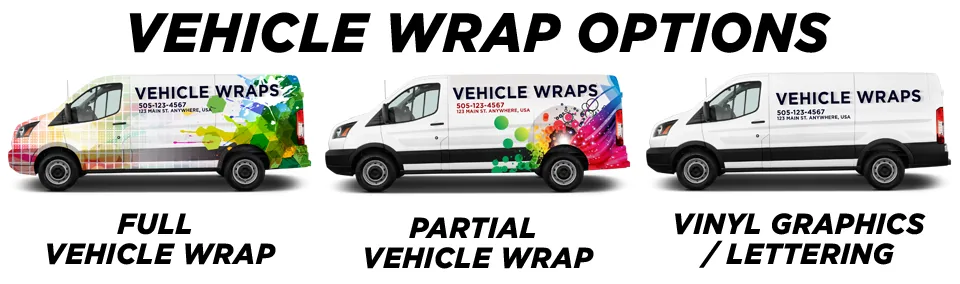
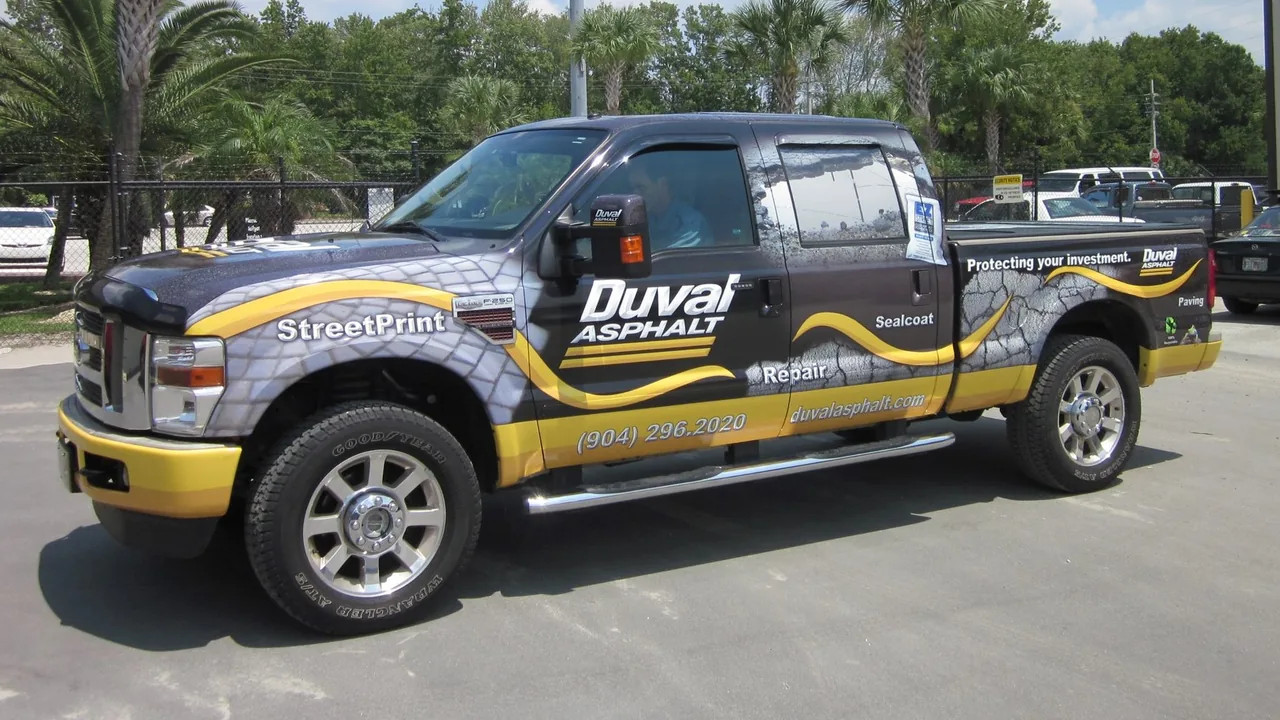
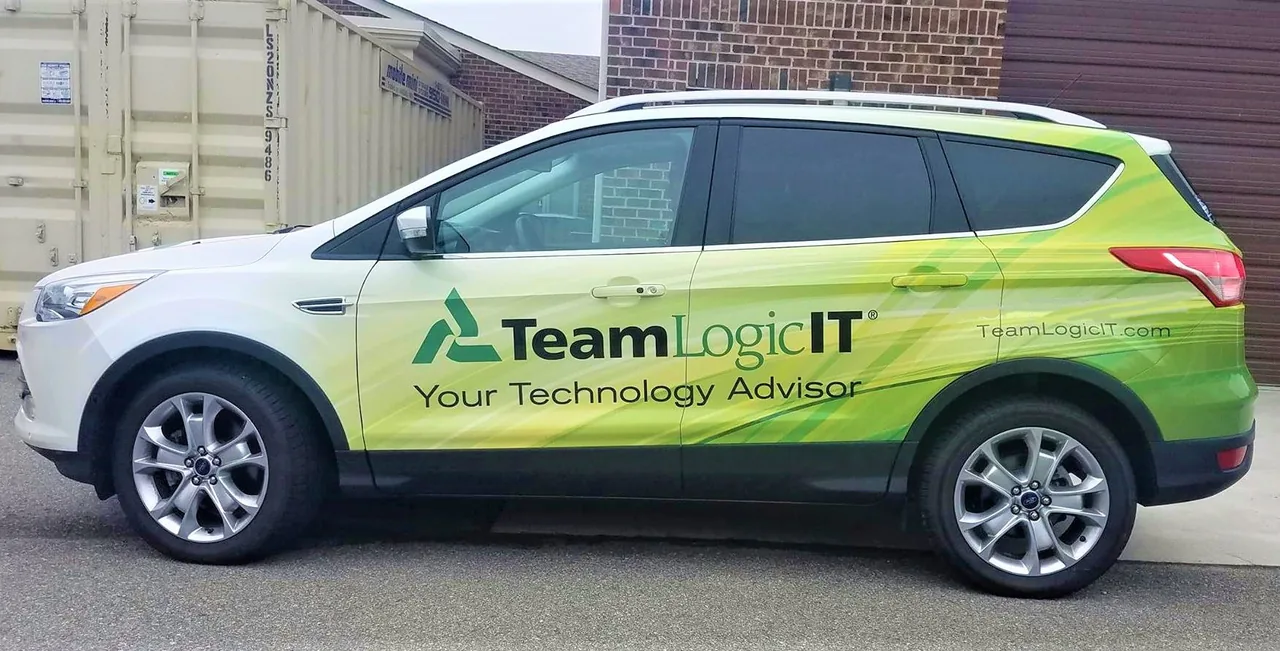
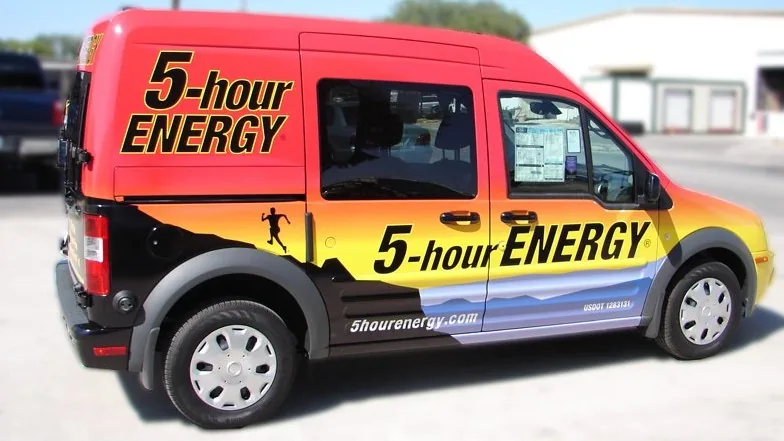
A full wrap can transform most painted exterior areas with a coordinated design. A partial wrap combines printed coverage with the vehicle's original paint, often using shape and color to make the transition feel intentional. Cut lettering and spot graphics can provide straightforward identification with less coverage. None of these approaches is automatically best. Vehicle color, body style, paint condition, budget, campaign duration, fleet size, and design concept all matter. Compare mockups that show the actual model and color so the choice reflects how much visual impact is required rather than assuming more material always creates a better result.
Design for recognition while the vehicle is moving
Drivers and pedestrians may see a branded vehicle for only a few seconds. The company name or logo should dominate, followed by a short description or category when the brand is not self-explanatory. One memorable contact path is usually more useful than several phone numbers, a long URL, social handles, licenses, and a complete service list competing at the same size. High contrast, large forms, clear spacing, and restrained imagery support quick recognition. Fine print may be necessary in some contexts, but it should not control the main composition. The design must work at traffic distance before it is examined in a parking lot.
Build artwork on the correct vehicle template
Every make, model, wheelbase, roof height, and body configuration changes the available graphic area. Door handles, windows, lights, fuel doors, wheel arches, seams, hinges, trim, sensors, and sliding doors interrupt artwork. A template supports early layout, but measurements and photographs of the actual vehicle help confirm variations and added equipment. Important logos and words should not be split by moving parts or placed where curvature makes them difficult to read. Designing for the vehicle's architecture produces a more intentional result and reduces surprises when two-dimensional artwork is installed on a three-dimensional body.
Inspect paint and body condition before production
Vinyl does not repair damaged paint, rust, dents, failing clear coat, loose body filler, or contaminated surfaces. These conditions can affect adhesion, appearance, removal, and whether the project is suitable to wrap. The vehicle should be reviewed before final production, especially if it has prior graphics or repairs. Fresh paint may require a cure period specified by the coating provider. Badges, racks, toolboxes, lights, and accessories can also affect coverage or access. Identifying these items early allows the scope to state what will remain, what may be removed, and which surfaces are excluded.
Prepare the vehicle for installation
A wrap installation needs a clean, dry vehicle and controlled access. Ordinary road film, wax, grease, silicone-based products, and residue around edges can interfere with the process. The business should follow the agreed preparation instructions and remove personal or operational items that block doors and panels. Scheduling should consider how long the vehicle can be out of service, where it will be delivered, and who will complete the acceptance review. If hardware or existing graphics require removal, responsibility should be stated in the quote. Good preparation protects the production schedule and helps installers focus on alignment and finish.
Plan seams, edges, and high-movement areas
Large graphics are produced in panels and installed around complex contours. The design should anticipate seams, overlaps, recessed areas, door gaps, compound curves, and edges that receive frequent handling. Not every surface is an appropriate candidate for coverage. Text and critical brand elements should stay away from locations where distortion or interruption would harm legibility. The installation plan may use separate pieces for doors or removable components so the vehicle can continue to function. A close-up proof can show details, but the approval should also include full vehicle views from both sides, front, rear, and relevant angles.
Create standards for fleet consistency
A fleet may include several vehicle types, colors, and acquisition years. Simply stretching one layout across all of them can distort the brand and create inconsistent message order. Establish rules for logo prominence, core colors, service wording, unit numbers, contact information, and safety visibility, then adapt those rules to each body. Photograph completed vehicles and retain approved production files by make and model. When new units are added, verify the exact configuration before reordering. A documented fleet system makes vehicles recognizable as one company even when their proportions and coverage levels differ.
Coordinate identification and operational markings
Commercial vehicles may need unit numbers, equipment labels, door identification, or other business-supplied information in addition to marketing graphics. Gather that content before design approval so it is integrated cleanly rather than added later in an unrelated style. The business remains responsible for identifying any industry, regulatory, contractual, or property requirements that apply to its vehicles. Confirm exact legal names, phone numbers, URLs, and numbering against an approved fleet list. Keep critical operational labels visible and avoid placing decorative graphics over sensors, lights, windows, or manufacturer information that must remain unobstructed.
Care for wrapped and lettered vehicles
Cleaning methods influence how graphics look over time. Follow the care guidance supplied for the selected material and installation. Gentle hand washing is often easier to control than aggressive brushes, high-pressure spray at edges, harsh chemicals, or abrasive tools. Fuel spills, road contaminants, bird droppings, and tree residue should not be left indefinitely. Inspect edges and high-use areas periodically and report concerns before they become larger. Drivers should know the basic care routine, while fleet managers should record installation dates and vehicle assignments. Consistent care helps the fleet present a professional image across daily use.
Plan future removal and vehicle changes
Wraps and graphics may need removal after a rebrand, campaign, vehicle sale, or fleet replacement. Removal conditions depend on film, paint, exposure, age, repairs, and maintenance, so the project should not assume every vehicle will respond identically. Keep original paint and repair information when possible. If only phone numbers or service lines are likely to change, consider whether those elements can be produced separately without weakening the design. A current inventory of wrapped units prevents outdated vehicles from remaining in service and helps the company coordinate replacements as it buys, retires, or transfers equipment.
Request a quote for Houston vehicle wraps
Provide the year, make, model, wheelbase, roof height, vehicle color, clear photographs, quantity, desired coverage, logo files, exact wording, and target schedule. Note previous graphics, paint repairs, accessories, body damage, and any operational markings that must remain. Royal Signs & Awnings can then review design, material, production, installation, and fleet-consistency needs for the confirmed vehicles. Call (346) 644-6749 or use the contact form to discuss commercial wraps and graphics for Houston cars, vans, trucks, trailers, or multi-vehicle fleets.
Approve every view before production
A vehicle graphic is one connected design spread across several surfaces, so approval should include the driver side, passenger side, front, rear, and any roof or specialty areas in scope. Confirm reading order, phone number, URL, unit number, logo orientation, and how imagery crosses doors or body lines. Review each vehicle variant separately rather than assuming one proof represents the fleet. Mark any components that will not receive graphics. A complete multi-view approval reduces ambiguity for production and gives the fleet manager a clear record of how the finished unit should appear.
Manage the project as part of fleet operations
Vehicle graphics affect scheduling, dispatch, drivers, maintenance, and brand management, so the fleet team should be involved before installation dates are assigned. Build a current list of unit numbers, exact vehicle configurations, normal routes, parking locations, and windows when each unit can be out of service. Confirm whether vehicles arrive clean, whether racks or equipment restrict access, and who has authority to approve condition concerns. For a large fleet, begin with one representative vehicle when practical and review it from normal traffic distance before releasing every production file. Record any template corrections, color observations, wording changes, or installation details learned from that unit. Then create a rollout schedule that accounts for business demand rather than removing too many vehicles at once. After installation, match completion photographs to unit numbers and store artwork by exact configuration. Drivers should receive care guidance and a simple process for reporting lifted edges, collision repairs, panel replacement, or changed contact information. When a vehicle leaves the fleet, the company should know whether graphics must be removed or otherwise addressed before transfer. Treating wraps as managed fleet assets keeps the brand consistent and reduces rushed decisions each time a new vehicle arrives. It also gives procurement and marketing a shared record of what has been approved and installed.
Related services
Explore: Car Wraps | Truck Wraps | Van Wraps | Fleet Wraps | Vinyl Signs
Let’s talk about your sign.
Share your location, artwork and project goals with our Houston team.
Request a ConsultationPROJECT QUESTIONS
Frequently asked questions
What is the difference between a full wrap and a partial wrap?
A full wrap covers most suitable painted exterior areas. A partial wrap uses less printed coverage and incorporates the vehicle's original paint into the design.
Can you add graphics without wrapping the whole vehicle?
Yes. Partial wraps, cut lettering, logos, unit numbers, and spot graphics can provide effective commercial identification.
What vehicle information is needed for a quote?
Provide the year, make, model, wheelbase, roof height, color, quantity, photographs, coverage preference, existing graphics, accessories, and paint or body concerns.
Can one design be used across an entire fleet?
A shared design system can create consistency, but the layout should be adapted to each exact vehicle body and configuration.
How should wrapped vehicles be cleaned?
Use the care instructions supplied for the selected wrap system. Avoid aggressive methods or chemicals that may damage printed surfaces, laminate, seams, or edges.