Explore this page
The property name needs to be recognizable, the entrance needs to be understandable, and the next destination should be clear without requiring familiarity with the building. Hotel and hospitality signs in Houston connect that arrival experience with the identity and operation of the property. A coordinated package can support the journey from the road to the lobby, guest floor, meeting room, or other intended destination.
Royal Signs & Awnings can discuss exterior and interior commercial signage for hospitality properties. Start with the address, site plan, approved identity, photographs, brand standards, and the scope of the project. A new opening, renovation, or brand conversion may involve different priorities. We help define the signs being supplied and the decisions needed before production, with property operations and the guest experience considered alongside appearance.
Map guest arrivals from the property’s actual approaches
A guest may arrive by car, on foot, through a parking structure, or at a separate drop-off area. These routes can lead to different points of uncertainty. The main sign may identify the property while leaving the entrance unclear. Begin by documenting the intended approaches and the places where a visitor needs to make a decision.
Use photographs from those positions and explain which entrance serves which purpose. Hotel reception, event arrivals, deliveries, and other functions should be named consistently with the property’s approved operating plan. The sign package should support those routes without creating its own circulation instructions. A useful arrival sequence gives the guest enough information to take the next step and confirms the destination when they reach it. It does not need to display every hotel facility on the first sign they see.
Give the property identity an appropriate format
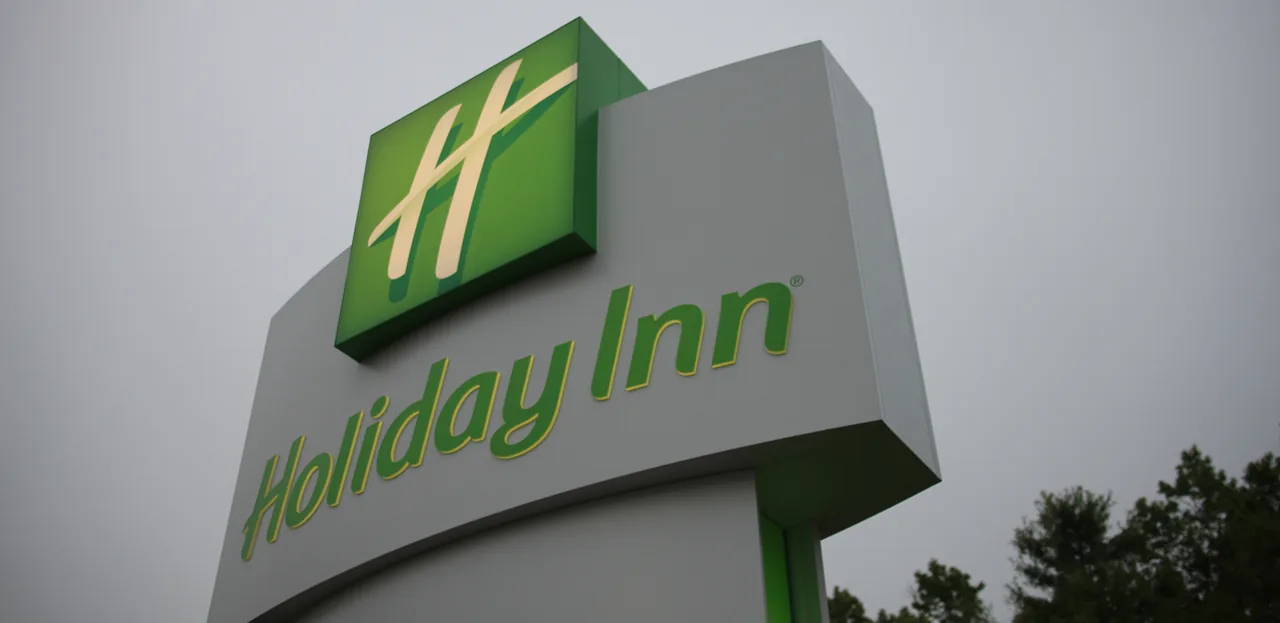
Building lettering, a suitable freestanding sign, and entrance identification can each play a role in the exterior package. The right choice depends on the property, viewing distance, available area, and applicable requirements. A hotel with a large facade presents different conditions from a smaller property within a mixed-use development.
Provide the approved logo and any mandatory brand construction standards. The design should show how the identity relates to the building, not only how it appears against an empty background. Our building signs and monument signs pages provide product-specific context for possible exterior elements. The hospitality plan brings those elements together around the guest approach. A recognizable name and clear location are more useful than an oversized collection of secondary messages competing for attention.
Review illumination for evening arrivals
Hospitality properties often receive guests when natural light is limited. An illuminated identity may help distinguish the destination, but the design still needs to work in daylight. Color, contrast, letter proportions, background, and the surrounding lighting all affect recognition. Review the intended appearance in the context of the property rather than assuming brightness alone will solve the visibility problem.
The proposal should distinguish sign construction from electrical preparation, controls, connections, and other coordinated work. Discuss future service access as well as the installation. If an existing illuminated sign is being updated, provide records and photographs where available. Retaining a structure or lighting component requires assessment. The quotation should identify new and existing elements clearly so the property understands the scope and the applicable written warranty terms.
Connect reception branding with useful information
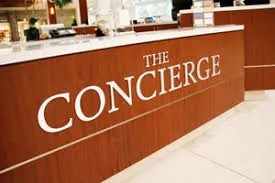
The reception area is a natural place to reinforce the hotel identity and orient a new arrival. A branded feature can coordinate with the interior finishes while remaining proportionate to the desk, wall, and lighting. The information guests need to act on should remain distinct enough to read comfortably. Decorative branding and practical direction have related but different roles.
Share interior photographs or current design drawings and explain what is changing. Materials, finish samples, illumination, and mounting restrictions may influence the design. Our lobby signs page provides another reference for the main identity element. When several information signs are included, review them as a group so the guest does not face conflicting terminology or a different visual language at each point. A coherent reception should be easy to understand as well as recognizable as your property.
Create a consistent room and floor identification system
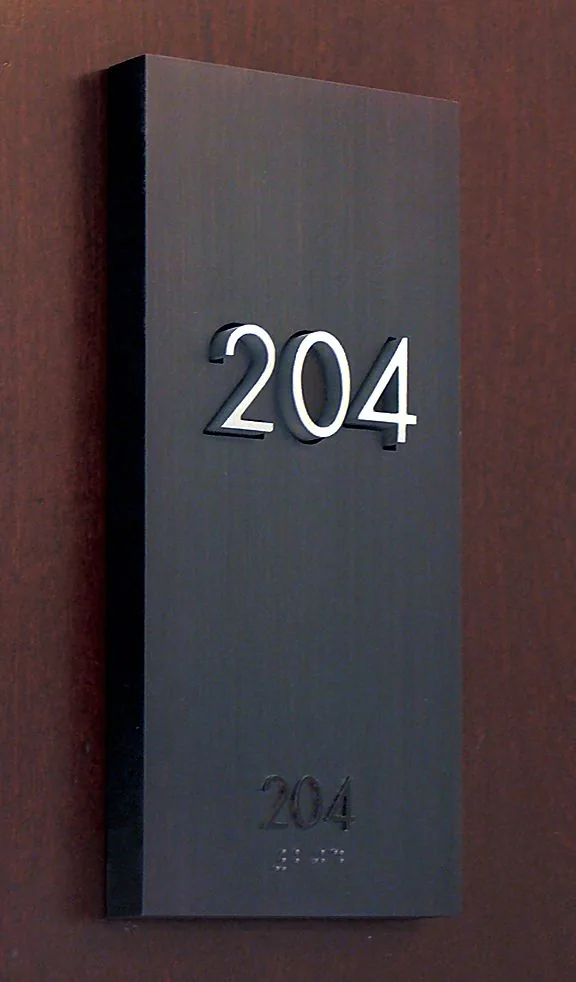
Room numbers, floor names, and destination labels need an agreed convention before production. Confirm the current room schedule and check it against the building layout. A small naming error repeated across many signs can become expensive to correct. Keep the approved information in one controlled schedule rather than relying on several independently edited lists.
Accessibility requirements vary with the function of the sign. Permanent room identification and directional information should not be treated as interchangeable categories with identical requirements. The property’s responsible design or accessibility professionals should confirm the applicable specification and placement. Our ADA signs and room identification pages can support the product discussion, but the hotel package needs a project-specific review. An attractive finish does not by itself establish that every sign fulfills its required role.
Make meeting and event destinations understandable
A hotel hosting meetings can have several destinations with names that are familiar to staff but new to visitors. Confirm the public-facing names of meeting rooms, halls, and associated spaces. The signs should agree with the names used in booking information and directions supplied to event attendees. Avoid a mixture of abbreviations and formal names that forces a visitor to guess whether they refer to the same place.
Walk the route from the intended event entrance and identify where orientation, direction, and final identification are needed. Some locations may need changing event information, while the permanent room name remains stable. Discuss those roles separately. Any changeable or digital element needs an agreed update process and scope. The permanent wayfinding system should remain understandable when temporary event content is not being displayed.
Choose finishes around use and care
Hospitality signage is part of the interior and exterior presentation, but it also needs to be practical to care for. Guest contact, cleaning practices, sunlight, moisture, and the mounting environment can affect the appropriate construction. Describe the intended location and how the property maintains that area before choosing a finish solely from an image.
Ask about the proposed materials, attachment, cleaning guidance, and replacement arrangements. If the property has particular performance requirements, supply them for review and request the relevant product specification. Avoid assuming that a decorative material is suitable for every area of the building. Consistency can be maintained through shared colors, proportions, or typography even when different locations require different constructions. The result should fit the property without creating unnecessary maintenance complexity.
Coordinate brand standards and property approvals
A managed or franchised property may have brand rules alongside landlord, building, or other applicable requirements. Identify who can approve the design, who verifies the site information, and who handles the relevant review process. A local property manager may not have authority to approve every departure from a brand standard.
Keep comments attached to the artwork version under review. If a change affects dimensions, mounting, illumination, or wording, assess whether other approvals need to be revisited. The programme should show the required decisions before production release. No service page can promise a specific approval outcome or review period for every property. A clear record of responsibilities helps the hotel move the project forward while understanding which decisions remain with other parties.
Plan installation around guests and operations
A hospitality property may remain open throughout a sign update. Reception activity, guest floors, event schedules, deliveries, and exterior access can all affect the work. Explain the operating plan and any restrictions before the scope is prepared. The project team needs a property contact who can coordinate the relevant spaces and communicate with hotel operations.
A phased approach may be appropriate for a renovation or brand change. Identify what guests will see during each phase and how they will navigate while elements are being replaced. Any interim signs should be reviewed for the property and project. Surface preparation and work by other trades should be coordinated with the sign schedule. The aim is a realistic installation sequence connected to site readiness, rather than a production date that overlooks the experience of an operating hotel.
Maintain a record for replacement and future updates
A hotel sign package can contain many individually identified items. Retain the final sign schedule, approved artwork, relevant construction details, installation photographs, and written care information. A damaged room sign or renamed meeting space is easier to address when the property can identify the exact item and its approved specification.
If the hotel expects future phases or additional buildings, record the standards that should remain consistent. Review the system when routes, public-facing names, or operations change. Do not let a replacement order reproduce outdated information simply because an old file is available. The property’s operational team should control the current destination schedule, while the sign record connects that information with the products installed throughout the building.
Discuss a Houston hospitality sign package
Send the address, property plans, approved brand files, exterior and interior photographs, room or destination schedule, relevant criteria, and target dates. Identify whether the hotel will remain open during work and who approves brand, site, and operational decisions. If the project is a conversion, provide an inventory of the existing identity and explain what needs to change.
Call Royal Signs & Awnings at (346) 644-6749 to discuss hotel signs in Houston. Around 30 years of experience informs our commercial signage work. We can help define a coordinated package for exterior identity, reception, room identification, and guest wayfinding, with each element connected to the approved property information. The next step is a clear project scope that supports the hotel you operate and the guests arriving for the first time.
Let’s talk about your sign.
Share your location, artwork and project goals with our Houston team.
Request a Project QuotePROJECT QUESTIONS
Frequently asked questions
Can a hotel signage package include interior and exterior signs?
Yes, those elements can be considered together within an agreed scope. The property information determines the individual products and responsibilities.
Do all hotel signs require tactile characters and braille?
Requirements depend on sign function and applicable standards. Permanent room identification, direction, and branding need appropriate classification and project-specific review.
Can new signs follow our hotel brand standards?
Provide the current standards and approval contacts. Site conditions and applicable requirements also need consideration before production.
Can installation be phased while the hotel remains open?
Discuss occupancy, events, access, work areas, and operational restrictions. A suitable programme depends on the actual property and scope.
Can meeting-room information be changed later?
Discuss which information changes and how often. Permanent room identity and changeable event information may require different constructions and management arrangements.
What information is needed for a hospitality sign quote?
Send plans, photographs, brand files, destination schedules, property requirements, operating constraints, and target dates. Identify the responsible approval contacts.