Explore this page
Understand what LED means in a sign project
LED describes the light source or display technology, not one sign shape. Individual modules can illuminate channel letters, cabinets, push-through graphics, halo-lit letters, and interior logo features. An electronic message center uses an array of LEDs to show changing content. A border or accent may use linear lighting. Begin by deciding whether the sign needs fixed identification, architectural illumination, or updateable messages. That decision affects design, components, controls, brightness, artwork, power, and maintenance. Using the word LED alone is not enough to define an accurate scope or compare proposals.
Choose the illumination effect
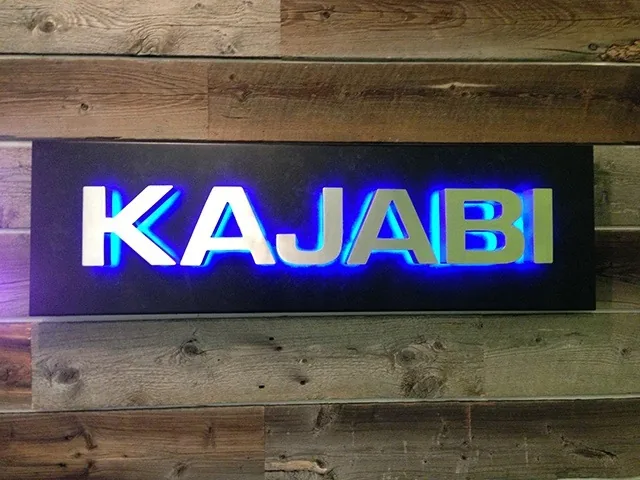
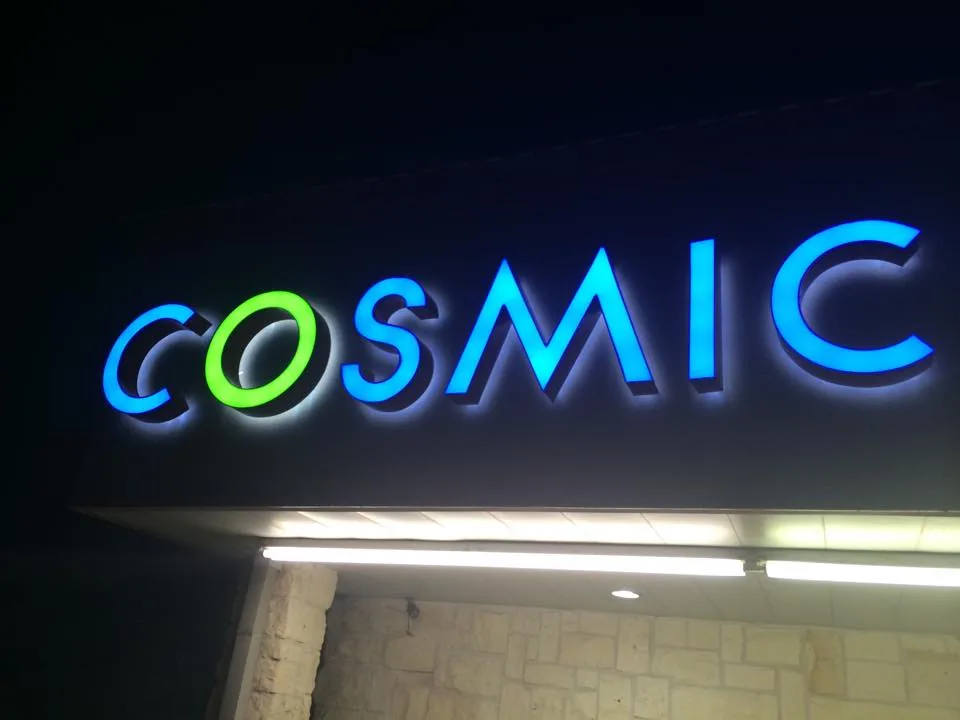
Front-lit letters direct light through translucent faces so the letter shapes appear bright. Halo-lit letters send light toward the mounting surface, producing a glow around the forms. Combination letters can use more than one effect, while cabinets illuminate a shared face. Interior signs may use edge lighting, backlighting, or integrated details. Each approach reacts to color, depth, wall texture, spacing, and ambient light. Review both day and night renderings when possible. The lighting should strengthen identification and brand character rather than compensate for letters that are too small or a layout that lacks contrast.
Design for the nighttime environment
A sign competes with parking-lot fixtures, streetlights, windows, neighboring signs, headlights, and reflections. Excessive brightness can create glare and reduce legibility, while insufficient output can make faces look uneven. Dark and light wall materials affect halo lighting differently. Deep architectural features can block angled views. Document the property after dark and note the hours when customers arrive. The design should balance sign scale, color, contrast, spacing, and light output for the actual setting. Local or property rules concerning illumination should be identified before final approval.
Protect the daytime appearance
LED signs spend many hours unlit or viewed in daylight. Returns, raceways, trim, faces, backs, mounting hardware, paint, wiring routes, and access points affect that appearance. A clean night rendering does not show every construction detail. Review the sign elevation and side profile, especially when letters are mounted where customers can approach closely. Colors selected for illumination may look different during the day. The final design should work as a physical sign at all times and should integrate electrical access without allowing service components to dominate the facade.
Plan power and controls before fabrication
Confirm the available electrical source, voltage requirements, connection location, switching, time clock, photocell, dimming or display control, and responsibility for electrical preparation. Do not assume an existing circuit is suitable because a previous sign used it. Routing can affect raceways, wall penetrations, interior finishes, and service access. For programmable displays, discuss communications and authorized user access as well as power. The scope should state which electrical work is included or by others. Early coordination prevents a finished sign from arriving before the property is ready to connect and operate it.
Match components to the sign construction
Module spacing, letter depth, face material, returns, internal reflectance, cabinet dimensions, ventilation, power supplies, and wiring layout influence uniform illumination. Shallow or complex letter shapes may require careful planning to avoid bright spots and shadows. Components should be appropriate for the confirmed indoor or outdoor application and compatible as a system. More LEDs do not automatically create a better result. The layout should produce the intended effect without unnecessary heat, glare, or inaccessible parts. Fabrication drawings and approved samples can clarify how the lighting and physical sign work together.
Separate fixed LED signs from digital displays
A fixed LED sign normally presents the same business name or logo each day. A digital message center presents changing text or graphics through programmable pixels. The two can be combined on a monument or pylon, but they serve different communication goals. A changing display requires content planning, message templates, staff responsibility, scheduling, access control, and attention to viewing time. The fixed identification should remain clear even when the electronic content changes or is unavailable. Defining the role of each portion keeps the structure readable and prevents temporary promotions from overpowering the business name.
Commercial LED Sign Installation in Houston
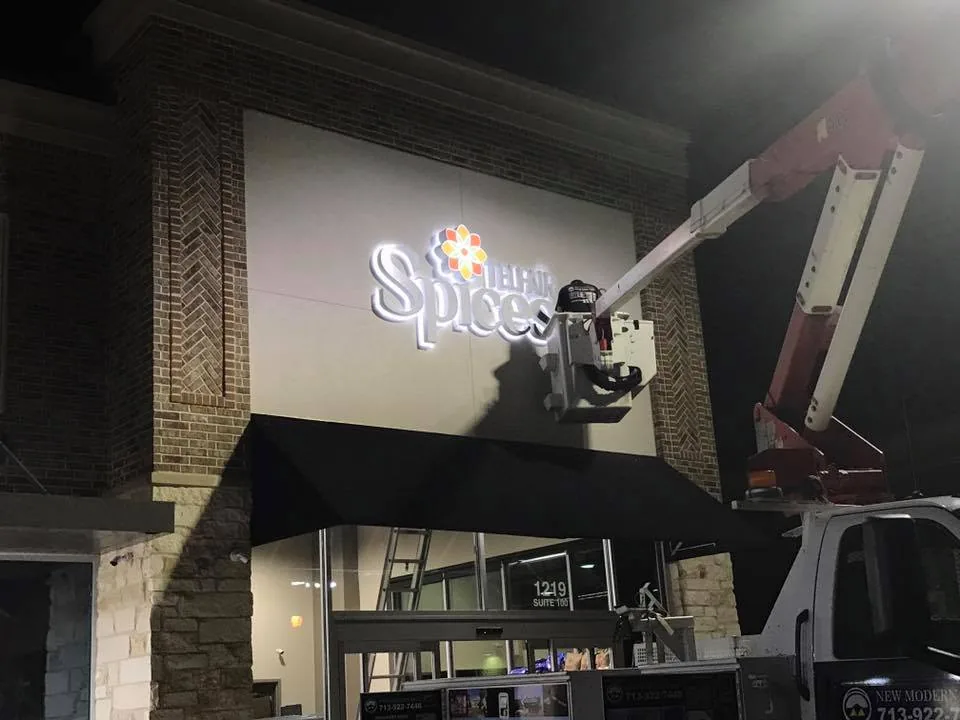
Installation planning begins before fabrication. Confirm the wall or freestanding structure, mounting surface, sign height, access route, work zone, electrical source, switching, and any property procedures that affect the crew. The approved drawing should identify placement and orientation clearly enough to avoid last-minute decisions at the site. Coordinate customer traffic, deliveries, parked vehicles, landscaping, and interior access where wiring or attachment points are involved. The written scope should distinguish sign installation from electrical preparation, surface repair, permits, engineering, traffic control, or other work when those items are required. A coordinated plan helps the installed sign match the approved design and operate as intended.
Consider an LED retrofit carefully
An older cabinet or letter set may be considered for updated lighting, but age alone does not determine suitability. Inspect the enclosure, faces, sockets or prior components, wiring, water entry, internal space, mounting, and access. A new light source cannot correct a cracked face, failing paint, corrosion, poor electrical condition, or a design that is no longer readable. The proposal should define what existing parts remain, what will be removed, and how the new system will be serviced. Compare retrofit and replacement according to the complete condition and future use.
LED Sign Maintenance and Repair
LED modules, power supplies, faces, seals, wiring, and controls may eventually need attention. Uneven illumination, one dark letter, flicker, color differences, moisture, or intermittent operation should be documented with daytime and nighttime photographs. Locate serviceable components where qualified technicians can reach them without unnecessary disruption. Consider sign height, roof or lift access, landscaping, parking, tenant operations, and locked areas. Labeling circuits and retaining component information can support future diagnosis. A maintenance record should identify the sign, observed symptom, inspection findings, work completed, and replacement parts. Good access and documentation reduce guesswork when an illuminated sign needs service.
Approve color and brightness in context
Brand colors shown on a monitor do not predict exactly how a translucent face or halo will appear at night. Material, print or film, LED color, face thickness, wall color, surrounding light, and camera exposure all influence perception. When color accuracy matters, review physical samples or comparable applications and define which brand reference controls. Avoid promises based only on photographs, which can exaggerate brightness or shift color. The objective is a recognizable, balanced presentation in the actual environment, not simply the brightest result in a dark rendering.
Request a quote for LED signs in Houston
Provide the address, sign location, daytime and nighttime photographs, logo files, desired sign type, viewing distance, operating hours, property criteria, and known electrical information. For a digital display, describe the messages, update frequency, responsible staff, and intended audience. For a retrofit, include images of the enclosure and current illumination problem. Royal Signs & Awnings can review appropriate options after confirming the site and scope. Call (346) 644-6749 or use the contact form to discuss a Houston LED sign project.
Commercial LED sign service across Houston
Royal Signs & Awnings plans fixed commercial LED sign projects throughout Houston and surrounding Greater Houston communities. Surrounding light, facade materials, viewing angle, operating hours, power, and service access vary by property, so the final design and installation scope are confirmed for the specific site.
Plan the complete illuminated sign system
Longstanding practical sign experience brings attention to the complete system rather than the LED component alone. Letter depth, faces, internal reflectance, module layout, power supplies, controls, wiring paths, mounting, weather protection, and service access all affect the final result. Coordinating those details with the approved brand and verified site helps the sign look intentional in daylight, illuminate evenly at night, and remain practical to maintain after installation.
Create an operating and maintenance record
Keep the approved sign drawings, LED and power-supply information, color references, controls, circuit identification, photographs, and care guidance in one project record. For digital displays, add login ownership, content templates, update procedures, and an inventory of approved messages. Periodically view the sign at night from normal customer positions. Look for dark modules, color differences, flicker, hotspots, timing problems, or content that is no longer current. Check that landscaping and new exterior lighting have not changed visibility. Report problems with photographs and the conditions under which they occur. This information helps service teams distinguish an isolated component issue from a control, power, face, or environmental problem. A maintained record also supports consistent work when staff changes or another location orders a related sign.
Compare proposals using the complete LED system
When reviewing options, confirm the sign construction, face or letter materials, lighting effect, component layout, power supplies, controls, mounting, electrical responsibilities, installation access, and future service method. A proposal that names only an LED product does not describe how the finished sign will look or operate. Ask how the design addresses uniformity, heat, moisture, wiring access, nighttime surroundings, and the daytime appearance. For digital displays, also compare content controls, user access, communication requirements, message preparation, and staff responsibilities. Evaluating the complete system makes differences between proposals clearer and reduces the chance that important work is discovered only after fabrication has begun.
Related services
Explore: Lighted Signs | Channel Letters | Digital Signs | Electronic Signs | Pylon Signs | Sign Repairs
Let’s talk about your sign.
Share your location, artwork and project goals with our Houston team.
Request a ConsultationPROJECT QUESTIONS
Frequently asked questions
What types of business signs use LEDs?
LEDs may illuminate channel letters, cabinets, halo-lit letters, interior logo signs, monument or pylon components, accent features, and programmable message displays.
Is an LED sign the same as a digital sign?
Not necessarily. LEDs can provide fixed illumination for a name or logo. A digital sign uses electronic pixels to display changing content.
Can an existing sign be converted to LED lighting?
Some signs may be suitable for retrofit after the enclosure, faces, wiring, space, mounting, electrical conditions, and service access are evaluated.
What information is needed for an LED sign quote?
Provide the address, photographs, logo files, sign type, dimensions if available, desired lighting effect, operating hours, property criteria, and known power information.
Can the brightness of an LED sign be controlled?
Control options depend on the sign and system. Brightness, operating schedule, property conditions, and applicable requirements should be addressed during planning.