Explore this page
The right sign must fit the property, remain readable from the normal approach, represent the brand clearly, and suit the conditions where it will be installed. With around 30 years of sign-industry experience, Royal Signs & Awnings plans exterior sign systems for storefronts, offices, restaurants, shopping centers, industrial properties, medical facilities, and multi-tenant developments. Call (346) 644-6749 or send the project address, site photographs, logo files, approximate dimensions, and property criteria through the contact form to begin a practical review.
Begin with the way customers approach
A sign that looks strong from the sidewalk may disappear for drivers entering from a frontage road. Before choosing a sign type, identify the main approach directions, traffic speed, setback, building angle, parking pattern, and point where a visitor decides to turn. Photograph the property from those positions instead of relying only on a straight-on facade image. Trees, utility poles, other tenant signs, parked vehicles, and changes in elevation can interrupt the view. This approach study establishes where identification is needed and how much information a person can realistically understand before passing the property.
Choose a sign type for the property
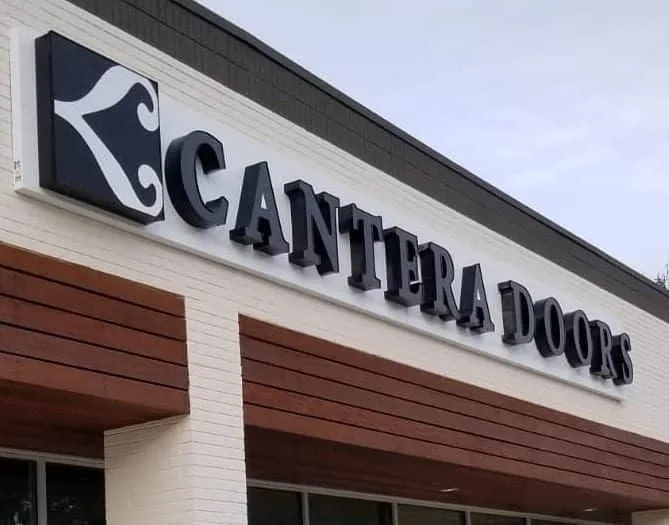
Channel letters, cabinet signs, dimensional letters, wall panels, awnings, blade signs, monument signs, pole signs, and pylon signs solve different visibility problems. Building-mounted signs connect the name directly to a storefront or entrance. Freestanding signs can identify a site before the building is easy to see. Projecting signs may help pedestrian traffic along a retail row. The decision should follow viewing distance, available mounting area, property rules, brand shape, illumination needs, and the number of tenants. One type is not automatically better simply because it is larger or more elaborate.
Keep the primary message easy to read
Most exterior signs have only a few seconds to communicate. The business name or recognizable logo should lead, with a short category description only when it helps a new customer understand the company. Long service lists, multiple phone numbers, social handles, and small taglines compete with identification. Letter height, spacing, contrast, and empty space matter as much as the overall dimensions. Review the artwork at a realistic scale and place it on a photograph of the actual facade. If the name is difficult to recognize in the mockup without zooming, the installed sign is unlikely to improve it.
Use the building as part of the design
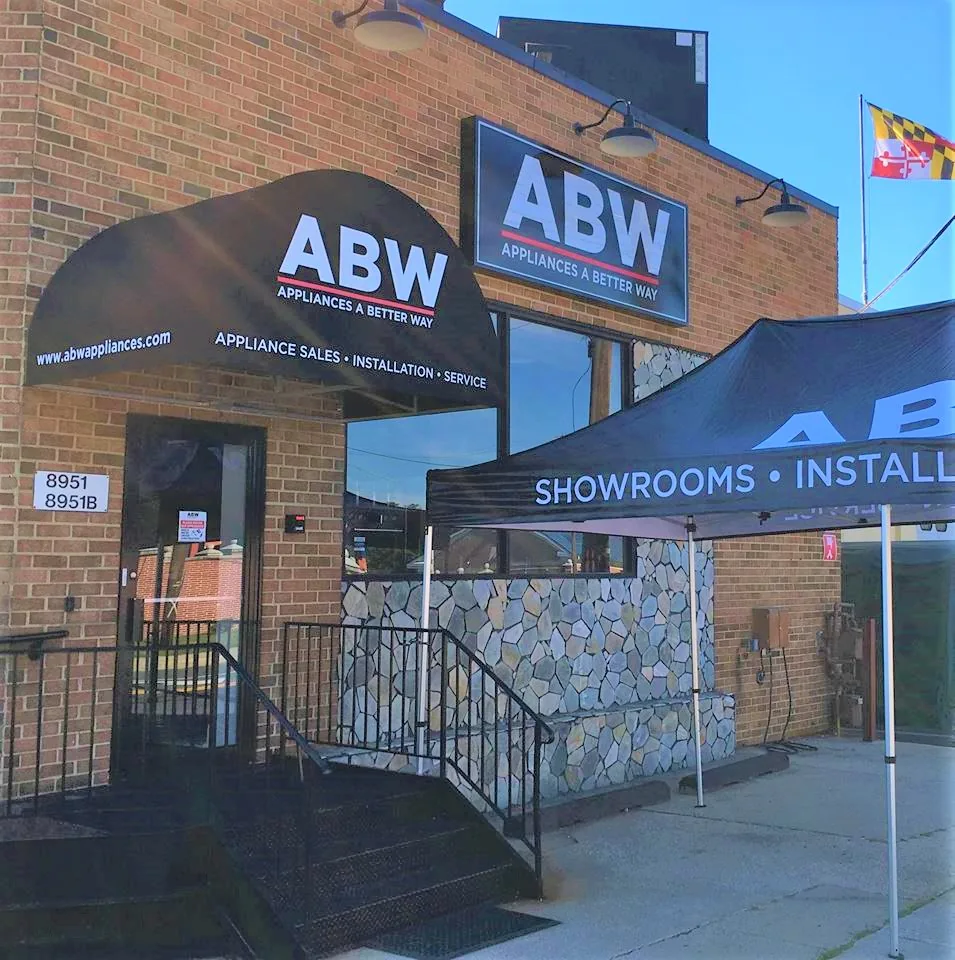
Brick, stucco, glass, metal panels, stone, painted masonry, and architectural trim affect color, mounting, scale, and illumination. A logo that has strong contrast on a white screen may blend into a dark or visually busy wall. Building joints, canopies, downspouts, windows, and decorative features can limit usable space or divide a word awkwardly. The sign should align deliberately with the entrance and facade rather than floating wherever space remains. Accurate field dimensions and photographs help the design respect the architecture while giving the business a clear, independent identity.
Plan daytime and nighttime visibility
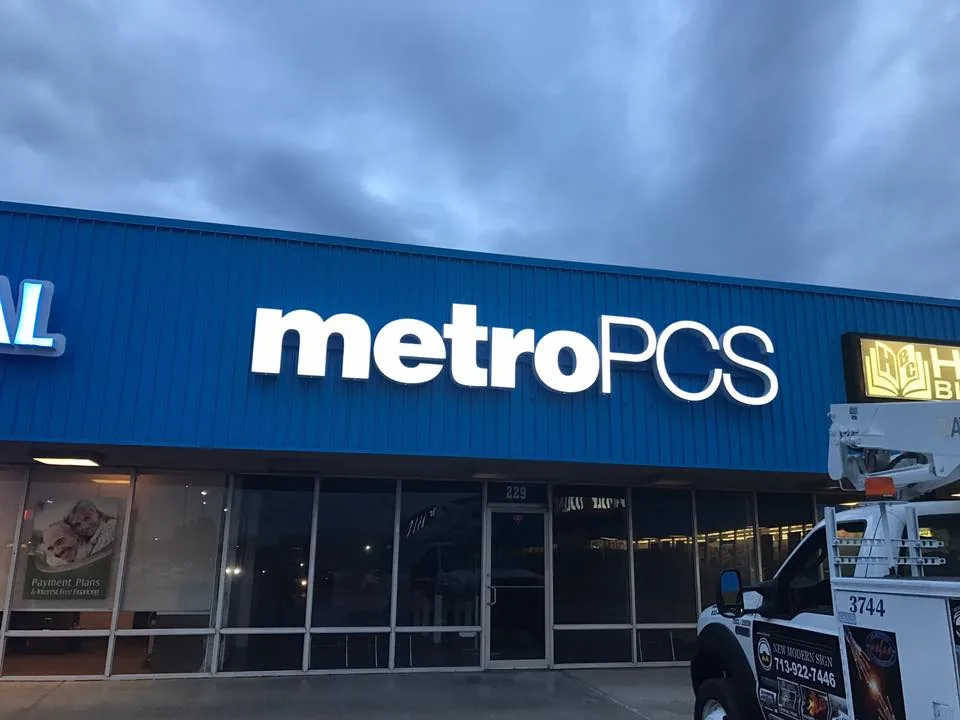
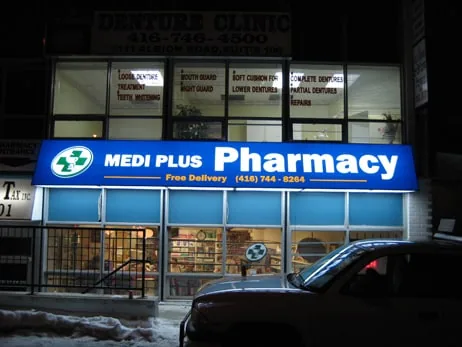
Operating hours and surrounding light determine whether illumination belongs in the project. Front-lit letters, halo-lit letters, illuminated cabinets, internally lit freestanding signs, and external fixtures produce different effects. Brightness is only one factor. Contrast, letter shape, wall color, viewing angle, neighboring lighting, and glare influence nighttime readability. The sign also needs a finished daytime appearance when the lights are off. Discuss power location, component access, operating controls, and how service work would reach the sign. Electrical conditions and any required scope should be confirmed before production.
Specify materials for Houston exposure
Exterior signs face sun, heat, humidity, wind-driven rain, dirt, irrigation, landscaping, insects, and regular cleaning. Materials, coatings, faces, fasteners, sealants, and electrical enclosures should be selected for the confirmed application. Different components can weather at different rates, so a design should anticipate how colors, finishes, and exposed edges will age together. Drainage and water paths deserve attention around cabinets and wall attachments. Material selection should also consider weight, mounting surface, impact risk, expected service life, and access for maintenance instead of focusing only on the appearance of a small sample.
Coordinate landlord and property requirements
Tenants should obtain the current sign criteria before approving a concept. A shopping center or managed property may control dimensions, colors, mounting positions, raceways, illumination, electrical routing, or the process for reviewing drawings. Municipal permits or other approvals may also apply depending on the project. Royal Signs & Awnings can prepare sign information for the confirmed scope, but the responsible parties and required submissions should be identified early. Designing within known criteria avoids late revisions and helps the tenant, landlord, property manager, and sign team work from the same approved direction.
Build a complete exterior sign system
The main building sign is often only one part of the customer route. A roadside monument or pylon may identify the development, a directional panel may guide vehicles through the site, an entrance sign may confirm the correct door, and parking or pickup signs may support operations. These pieces should use consistent names, colors, typography, arrows, and terminology without becoming identical. Mapping the route reveals gaps and prevents one overloaded sign from trying to handle every message. A coordinated system is especially useful for campuses, shared developments, large parking areas, and businesses with more than one public entrance.
Prepare accurate artwork and approvals
Vector logo files, brand colors, exact legal or public-facing names, and any approved tagline should be gathered before the first proof. Review spelling, proportions, colors, quantity, orientation, dimensions, lighting, mounting, and placement. If a rendering is conceptual, distinguish it from the dimensions and specifications that control production. One decision-maker should collect feedback so conflicting versions do not circulate. Production should begin from a clearly approved reference. Retain the final proof and specifications because they become useful when a face is replaced, a second location opens, or part of the sign needs service.
Plan installation around normal operations
Installation may involve customer traffic, delivery routes, parked vehicles, landscaping, overhead conditions, wall access, lifts, electrical areas, and property work-hour rules. The project schedule should identify who clears the work zone, how crews access the facade or freestanding structure, and whether existing signs must be removed first. Surface repair, disposal, temporary identification, electrical preparation, and specialized access should be stated where applicable rather than assumed. A good installation plan protects people and property while helping the finished sign match the approved location and orientation.
Maintain the sign after opening day
Outdoor signs collect dirt and organic material, and illuminated systems can develop dark sections or uneven output. Landscaping may grow into the sightline, while tenant changes can make secondary panels inaccurate. Establish a simple inspection routine that checks readability, faces, edges, supports, paint, lighting, and surrounding obstructions. Use cleaning methods suited to the materials and report damage before it spreads. Keep artwork, color references, dimensions, component notes, and installation photographs. These records reduce guesswork when repairs or updates are needed and help the business maintain a consistent appearance over time.
Request a quote for outdoor signs in Houston
Share the address, wide and close photographs, approximate measurements, main approach directions, logo files, desired message, operating hours, property criteria, and target timing. If an existing sign will be replaced or reused, include daytime and nighttime images and describe known problems. Royal Signs & Awnings can then compare appropriate building-mounted, freestanding, illuminated, and non-illuminated options based on verified conditions. Call (346) 644-6749 or use the contact form to discuss custom outdoor signage for a Houston business or commercial property.
Outdoor sign service across Houston
Royal Signs & Awnings serves commercial outdoor sign projects throughout Houston and surrounding Greater Houston communities. Every property presents a different combination of traffic, setback, architecture, mounting conditions, and sign criteria, so service availability and project scope are confirmed for the specific address.
Practical experience for exterior sign decisions
Longstanding practical sign experience provides perspective on how artwork, fabrication details, installation conditions, and future service affect one another. That experience is most useful when it turns site observations into clear choices: what customers must see, which sign family fits the property, what must be verified before production, and how the completed sign can be maintained. It does not replace site-specific review, landlord criteria, approvals, engineering, electrical coordination, or other professional scope that may apply to a project.
Review performance in the real environment
After installation, look at the sign from the same routes used during planning and at the times customers normally arrive. Confirm that the name is recognizable before the turn, that lighting remains balanced after dark, and that parked vehicles or temporary displays do not conceal the message. Ask new visitors whether they found the entrance easily rather than judging the sign only from directly in front of the building. If the property includes directional or parking signs, walk the entire route and confirm that each step uses the same destination names. Photograph the finished system in daylight and at night, note any operational issue, and store those observations with the project record. This review creates a useful standard for future locations and reveals whether a small placement or message adjustment would improve the customer journey.
Create a location record for future exterior work
Record the approved business name, sign type, facade elevation, freestanding-sign location, dimensions, materials, colors, illumination, electrical controls, mounting details, property approvals, and installation photographs. Add wide images from each customer approach so future teams understand why the sign was placed and sized as approved. If the business later changes hours, branding, tenants, or entrances, compare the update with the complete exterior system instead of replacing one visible panel in isolation. A location record is especially useful when storm damage, facade work, landscaping changes, or a second Houston property creates a need for related signs. It allows new work to start from verified information while still requiring a current site check.
Related services
Explore: Channel Letters | Storefront Signs | Monument Signs | Pylon Signs | Lighted Signs | Sign Repairs
Let’s talk about your sign.
Share your location, artwork and project goals with our Houston team.
Request a ConsultationPROJECT QUESTIONS
Frequently asked questions
What outdoor sign is best for my business?
The right type depends on the property, viewing distance, approach, facade, brand, operating hours, landlord criteria, and whether the sign must identify a building, entrance, or roadside location.
Can an outdoor sign be illuminated?
Many exterior sign types can use internal or external illumination. The design, property requirements, electrical conditions, access, and confirmed project scope determine the appropriate approach.
What should I provide for an outdoor sign quote?
Provide the address, photographs from customer approach points, approximate dimensions, logo files, desired wording, property criteria, operating hours, and details about any existing sign.
Can an existing sign structure be reused?
Possibly. Its condition, dimensions, construction, mounting, electrical system, property requirements, and suitability for the new design must be evaluated first.
Do outdoor signs require permits?
Requirements depend on the location and project. Confirm the applicable approvals, responsible parties, and included permit or engineering scope before production.