Explore this page
With around 30 years of sign-industry experience, Royal Signs & Awnings provides commercial sign repair and maintenance support for Houston businesses, property managers, retail centers, offices, restaurants, and facilities. The first step is to document what changed, when the problem appears, and which sign components are affected. Call (346) 644-6749 or send the address, daytime and nighttime photographs, sign type, access details, and a description of the issue through the contact form.
Describe the symptom before requesting a solution
Useful repair information starts with what the sign is doing. One letter may be dark, an entire cabinet may be off, illumination may flicker, a face may be cracked, a panel may be loose, or graphics may be peeling. Note whether the condition is constant or intermittent and whether it began after weather, construction, a power event, or another change at the property. Avoid assuming that a dark sign only needs new lamps. Photographs and an accurate description help the service team prepare, but field inspection may still be needed to identify the actual source of the problem.
Send both daytime and nighttime photographs
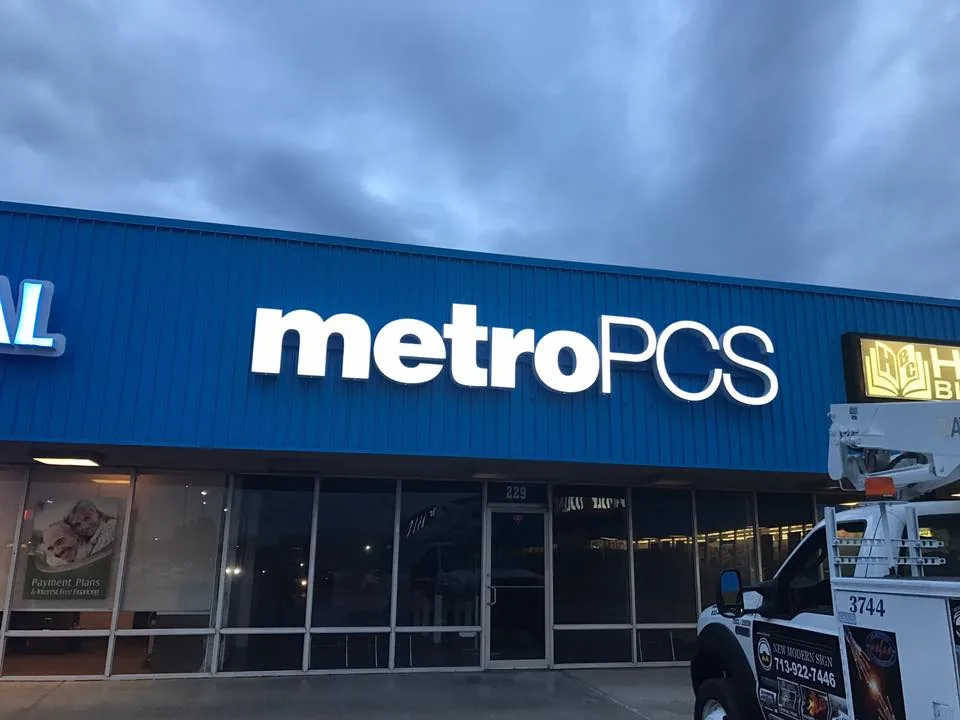
Daylight images show faces, paint, seams, mounting, corrosion, impact damage, surrounding obstacles, and the overall sign type. Nighttime images reveal dark sections, color differences, hotspots, flicker, and uneven illumination that are difficult to explain during the day. Take one wide photograph that shows the sign in its building or roadside context and closer images of the affected area when it is safe to do so. Include the electrical panel or access area only if it can be documented without opening equipment or creating a hazard. Clear images improve the initial assessment and scheduling conversation.
Separate electrical issues from physical damage
Illuminated signs combine electrical components with faces, letters, cabinets, wiring paths, supports, and mounting. A service visit may uncover a failed power supply, damaged module, loose connection, water intrusion, deteriorated socket, control issue, or another condition. Physical damage can also allow moisture to reach areas that were previously protected. Non-illuminated signs may have loose panels, failing fasteners, cracked acrylic, worn paint, damaged vinyl, or structural concerns. The repair scope should follow inspection findings rather than replacing the most visible component without considering why it failed.
Confirm power and access conditions
Before scheduling, identify whether the sign has a dedicated circuit, time clock, photocell, switch, or other control and whether the property has already checked obvious operating settings. Do not ask unqualified staff to open electrical components. Record when the sign should operate and whether other lighting on the same property is affected. Access matters too. Building height, parking, landscaping, overhead obstructions, loading zones, locked roofs, tenant hours, and traffic control can influence the service plan. Share property procedures and the best site contact so technicians can reach the sign and obtain necessary access.
Evaluate faces, letters, and cabinets
Cracked faces, missing retainers, warped panels, broken letter faces, open seams, and impact damage can affect appearance and weather protection. Replacement parts need verified dimensions, material, color, translucency, attachment, and artwork. An older face may have faded, so a new section might not match adjacent components exactly. Cabinet condition should be reviewed before investing in a new face. If the enclosure, supports, or mounting show deterioration, the project may require broader work. A repair proposal should explain what is being replaced and what existing components will remain in service.
Address faded or peeling graphics
Exterior vinyl, printed graphics, paint, and protective finishes age according to exposure, surface preparation, material, cleaning, and orientation. Peeling graphics can collect dirt and allow edges to lift farther. Fading may be uneven when one side receives more sun. Replacing only one small area may create a visible color difference. Provide original artwork and color references if available, but expect the existing sign to be evaluated in person. The team can discuss whether a local repair, new graphic set, replacement face, or broader refinishing produces the most coherent result for the confirmed condition.
Treat storm and impact damage as a site issue
Wind, falling debris, vehicles, equipment, and construction activity can damage a sign and the surface or structure supporting it. Keep people away from loose or unstable components and follow property emergency procedures. Photographs taken from a safe distance can document the condition, but a close inspection should not be attempted by unqualified staff. The service scope may need to address temporary stabilization, removal, fabrication of replacement parts, mounting, electrical components, and surface repair. Insurance or property documentation requirements should be handled by the responsible business or property team.
Decide between repair, retrofit, and replacement
Repair is sensible when the sign remains suitable and the failed component can be corrected reliably. A retrofit may be considered when an existing illuminated enclosure or letter set can accept a compatible updated lighting system after assessment. Replacement may be more practical when damage is extensive, parts are repeatedly failing, the structure is unsuitable, access is poor, or the business is already changing its brand. Compare the likely scope, service access, remaining condition, and future needs. The cheapest immediate fix is not always the lowest-disruption choice if the sign requires repeated visits.
Use preventive maintenance for important signs
Roadside identification, high-rise signs, multi-tenant displays, and primary storefront signs can affect several businesses when they fail. A maintenance plan may include periodic visual inspection, cleaning, illumination checks, fastener and face observations, control verification, and documentation of developing issues. The exact work should suit the sign type and access conditions. Maintenance does not guarantee that components will not fail, but it can reveal deterioration before a section becomes completely dark or visibly damaged. Record each visit, findings, parts, photographs, and recommended follow-up so the property has a service history.
Keep tenant and brand information current
A sign can be physically functional and still fail the business if it shows an old name, phone number, logo, tenant, or operating message. During service, review the visible information and compare it with the current brand files and property directory. Multi-tenant centers should keep a panel schedule with approved names, sizes, colors, and installation dates. When one panel changes, confirm whether directional signs or directories also need an update. Combining planned content changes with compatible maintenance work can reduce repeated access, but the final scope should clearly separate repair tasks from new branding.
Approve the repair scope clearly
A useful proposal identifies the observed problem, planned work, parts or materials, access assumptions, exclusions, and whether diagnosis could reveal additional needs. Confirm the sign or unit being serviced, especially on properties with several signs. Ask how existing colors and components may affect matching, what the customer must provide, and whether return visits depend on fabricated parts. Electrical, structural, permit, engineering, crane, traffic-control, or surface-repair scope should not be assumed. Clear approval protects both the service team and the property from misunderstandings about what a repair visit includes.
Request commercial sign repair in Houston
Send the property address, site contact, sign type, approximate height, daytime and nighttime photographs, description of the symptoms, known controls, access limits, and any previous repair history. State whether the issue affects one component or the entire sign and whether loose or damaged material is present. Royal Signs & Awnings can review the information and define the appropriate next assessment step. Call (346) 644-6749 or use the contact form to request sign repair or maintenance for a Houston commercial property.
Commercial sign service across Houston
Royal Signs & Awnings reviews commercial sign repair requests throughout Houston and surrounding Greater Houston communities. Availability and service scope depend on the sign type, height, access, site rules, electrical or structural conditions, and the work identified for the specific address.
Use experience to improve the diagnosis
Longstanding practical sign experience helps the service conversation move beyond the most visible symptom. A dark letter, cracked face, loose panel, or recurring outage can involve several connected components and site conditions. The useful approach is to document the problem, inspect the accessible system, identify the likely cause, and define the repair scope and limitations clearly. That process supports informed decisions about repair, retrofit, replacement, or scheduled maintenance without promising an outcome before the sign has been properly assessed.
Create a useful service history
After each visit, keep the date, sign identification, reported symptom, inspection findings, work completed, parts used, photographs, and any recommended follow-up. Note which issues were corrected and which conditions were outside the approved scope. For illuminated signs, record whether the problem affected one section or the full system and whether the operating control was verified. For multi-tenant properties, connect the record to the correct cabinet, pylon panel, building elevation, or suite. A service history helps managers recognize repeated failures, prepare future technicians, and decide when repair costs or downtime support a broader replacement discussion. It also reduces confusion when staff changes or when several vendors have worked on the property. Review open recommendations instead of waiting for the next visible failure. Accurate records turn isolated repair calls into a manageable maintenance process.
Prioritize problems according to risk and business impact
Loose, unstable, exposed, or fallen sign components require a different response from a faded graphic or one dark module. Keep people away from a condition that may create a safety concern and follow the property’s emergency procedures. After immediate concerns are addressed by qualified parties, rank remaining work according to identification, operation, appearance, and repeated failure. A primary roadside sign that is completely dark may affect customers more than a small interior display, while water entry or structural deterioration may deserve attention even if the sign still lights. A written priority list helps the property approve work deliberately and avoids allowing cosmetic urgency to conceal a more important underlying condition.
Related services
Explore: Lighted Signs | LED Signs | Channel Letters | Pylon Signs | Monument Signs | Outdoor Signs
Let’s talk about your sign.
Share your location, artwork and project goals with our Houston team.
Request a ConsultationPROJECT QUESTIONS
Frequently asked questions
What types of commercial signs can be repaired?
Service may be considered for illuminated letters, cabinets, pylon or monument components, sign faces, panels, graphics, mounting, and other commercial sign elements after the condition and scope are assessed.
What information should I send with a repair request?
Send the address, site contact, sign type, approximate height, access details, daytime and nighttime photographs, symptom description, and known repair history.
Why is only part of my sign dark?
Possible causes vary by sign system and may involve lighting components, power supplies, wiring, connections, controls, water intrusion, or physical damage. Inspection is needed to diagnose the issue.
Can an older illuminated sign be converted to LED?
Some signs may be candidates for a compatible retrofit, but the enclosure, faces, wiring, condition, space, access, and project requirements must be evaluated first.
Should I repair or replace the sign?
Consider the extent of damage, repeated failures, remaining condition, parts, access, brand changes, and future needs. An assessment can clarify the practical options.