Explore this page
The result depends on more than printing a logo. Surface condition, exposure, viewing distance, material, adhesive, color, finishing, installation, and removal plans all affect the project. With around 30 years of sign-industry experience, Royal Signs & Awnings develops commercial vinyl graphics around the location and message. Call (346) 644-6749 or send the address, photographs, dimensions, artwork, desired duration, and installation date through the quote form.
Choose vinyl for a specific business purpose
Vinyl can support permanent identification, temporary promotion, privacy, decoration, wayfinding, safety information, hours, or equipment labeling. Those uses should not be treated as the same product. A short campaign may prioritize clean removal and fast replacement. A long-term storefront identity needs materials, preparation, color, and edge details suited to extended exposure. Privacy film must balance screening with the light and visibility the space requires. Begin by stating what the graphic must accomplish, how long it should remain, who will view it, and what surface it will cover.
Keep this page focused on stationary surfaces
Vinyl is also used on vehicles, but full vehicle wraps and fleet graphics involve body panels, contours, removal, coverage, and mobile advertising considerations that deserve a separate page. This page should focus on windows, walls, doors, floors, sign faces, panels, counters, equipment, and other stationary business applications. A customer asking for a truck, van, trailer, or fleet wrap should be directed to the Vehicle Wraps page. Clear page separation helps search engines and customers understand which service answers their need and avoids repeating the same copy across two URLs.
Inspect the surface before designing the graphic
Vinyl follows the surface beneath it. Peeling paint, chalking, dirt, wax, silicone, texture, moisture, rust, fresh coatings, damaged glass, and loose panels can affect adhesion and appearance. Photograph the full area and close details, then identify the substrate when possible. A smooth glass window behaves differently from painted masonry, textured drywall, metal, acrylic, or a previously lettered panel. Surface preparation and compatibility should be confirmed for the specified material. A graphic cannot hide every defect, and installation should not be used as a substitute for necessary cleaning, curing, repair, or refinishing.
Select cut lettering, printed graphics, or film
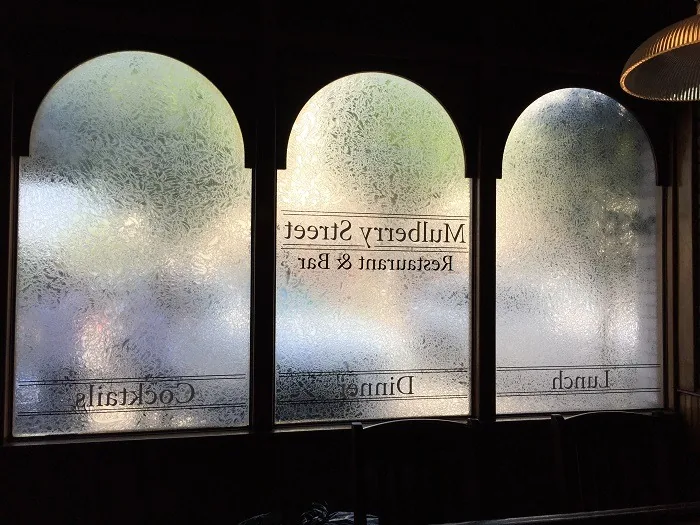
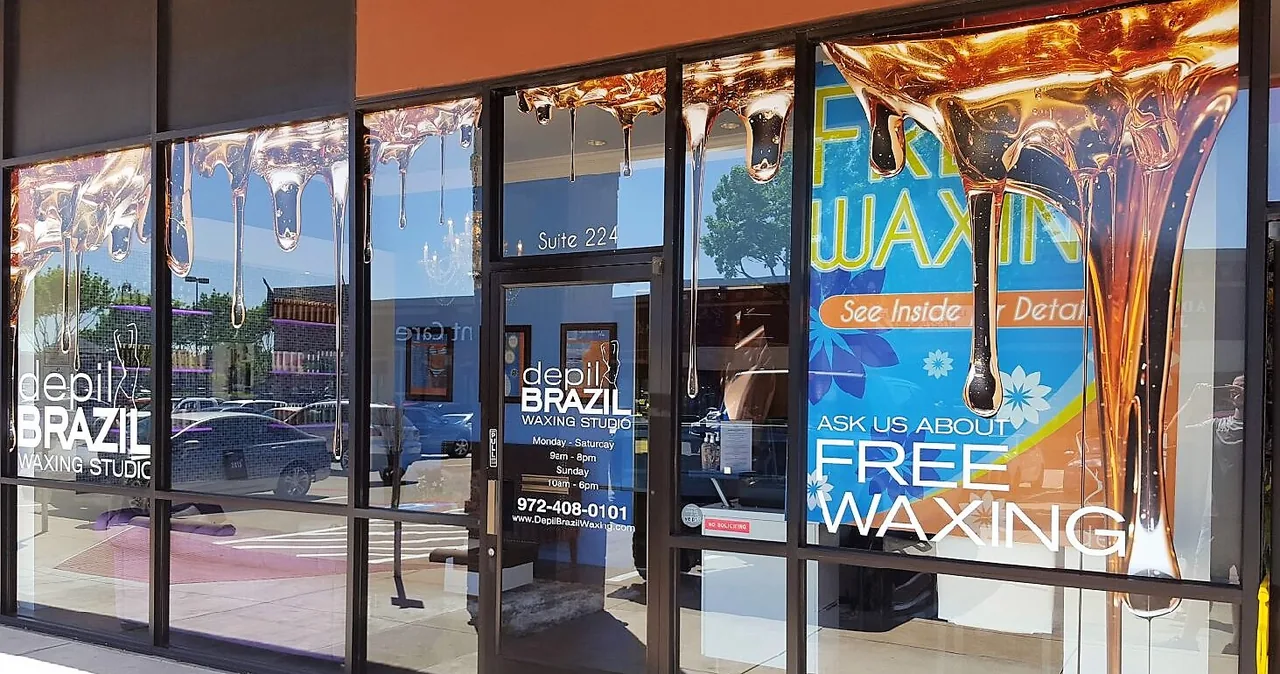
Cut vinyl is useful for solid-color lettering, logos, hours, door information, simple shapes, and certain long-term applications. Printed vinyl can reproduce photographs, gradients, textures, and complex brand artwork. Frosted or decorative films can add privacy and pattern to glass. Perforated window film can present an exterior image while preserving some visibility from inside under suitable lighting conditions. Each option has different limits, finishes, edge treatments, and installation requirements. Choose the construction after the design, viewing distance, surface, exposure, desired transparency, and expected duration are known.
Design window graphics around the glass
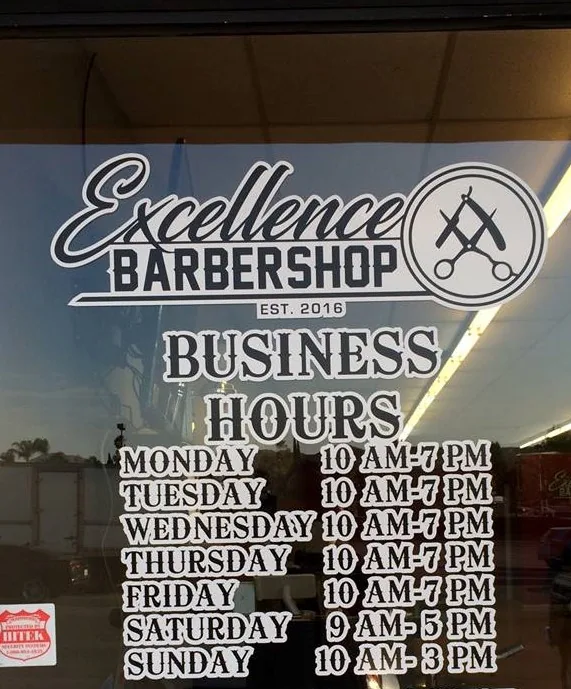
Windows include frames, mullions, handles, seals, tint, reflections, merchandise, interior lighting, and sightlines that affect the graphic. Measure each pane rather than treating the storefront as one rectangle. Keep important letters and faces away from frame breaks. Decide whether the image is read from outside, inside, or both, and whether privacy or interior visibility matters. Door graphics should not obscure necessary views or operating information. A photograph mockup helps the team see how the design fits the actual panes, but verified measurements and installation notes must control production.
Use wall graphics to support the room
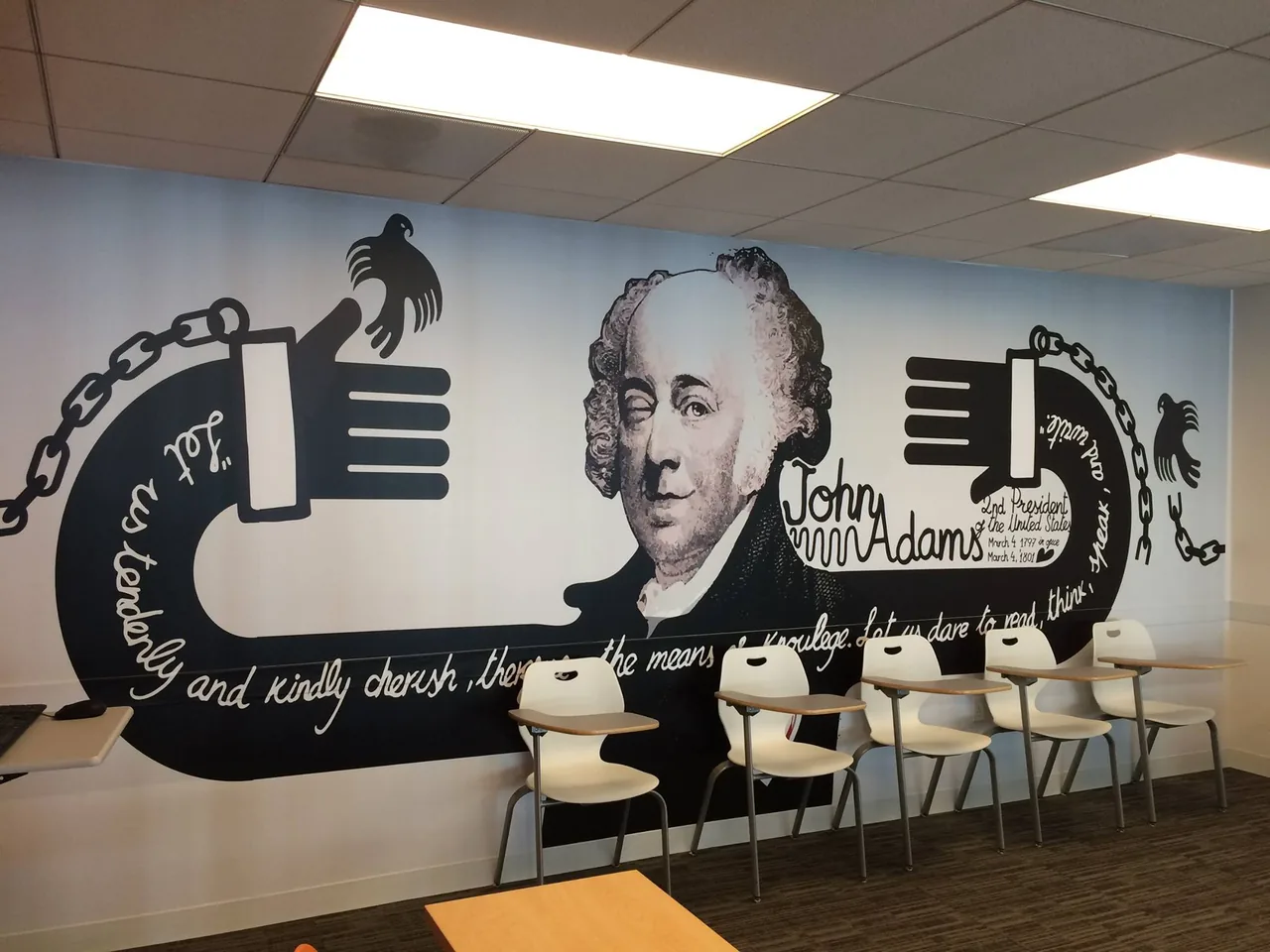
A wall graphic can turn a blank surface into a brand statement, timeline, map, pattern, environmental scene, or customer-facing message. The design should respond to furniture, doors, outlets, wall joints, corners, displays, and the normal viewing distance. Dense imagery behind a reception desk can compete with a dimensional logo. A corridor mural can carry more detail because viewers move alongside it. Confirm paint type, cure time, texture, repairs, and cleaning history. Large installations may be divided into panels, so artwork and seams should be planned rather than left to chance at the wall.
Plan privacy film with operations in mind
Privacy graphics can screen offices, treatment rooms, conference spaces, or service areas while allowing light to pass through. Decide which viewing angles need coverage and whether full-height privacy would make the space feel closed. Bands, gradients, patterns, and branded frosting can provide different levels of separation. Consider cameras, interior lighting, doors, and after-hours views. The final design should not create confusion at entrances or cover information visitors need. Confirm the glass type and existing films before specifying the material, because removal and compatibility can affect the work.
Match color to the installed environment
Colors shown on a monitor or office printer do not guarantee the appearance of printed or cut vinyl. Substrate color, glass, interior light, exterior sunlight, laminate, ink, material finish, and surrounding colors can change perception. Use current vector artwork and brand references. When a close brand match matters, discuss physical samples or test output and identify which reference controls approval. Transparent, translucent, reflective, metallic, matte, and gloss materials behave differently. A responsible proof should describe the selected material and finish instead of presenting a screen image as the final color standard.
Write for the available viewing time
A storefront window can quickly become crowded with a logo, hours, services, phone number, website, promotions, social handles, and payment icons. Decide what the customer needs at each distance. The primary identity should be clear from the approach, while hours and door information can be read closer. Temporary offers should occupy a defined campaign area rather than covering the permanent brand. Use short wording, adequate character height, contrast, and blank space. If every piece of information receives the same size and color, the viewer must work too hard to understand the storefront.
Plan temporary campaigns for clean changeovers
Seasonal sales, events, launches, construction notices, and leasing promotions need a start date and a removal date. Record who approves the artwork and who is responsible for taking it down. Select material and placement according to the intended duration and surface, but do not promise residue-free removal under every condition. Heat, sun, age, prior coatings, glass condition, and installation history can affect removal. A controlled campaign zone makes repeated updates easier and keeps old promotions from spreading across permanent storefront identification.
Coordinate production files and proof approval
Supply vector logos, high-resolution images, exact wording, brand colors, quantities, and verified dimensions. Confirm spelling, phone numbers, URLs, dates, prices, orientation, panel divisions, bleed, safe areas, and which side of glass receives the material. A proof should identify scale and may include a photograph mockup for placement. One decision-maker should collect revisions so multiple versions do not reach production. Retain the approved file and material specification. Those records make it easier to replace a damaged panel, repeat a location, or update one part of a larger graphics package.
Install around weather and business activity
Exterior vinyl installation may be affected by temperature, rain, wind, direct sun, surface moisture, and access. Interior work can be affected by customer traffic, furniture, displays, dust, security, and operating hours. Establish who clears the area, when glass or walls are available, and whether old graphics must be removed first. Large graphics need enough working space and suitable lighting. The installation scope should identify surface preparation, removal, disposal, access equipment, and restoration when applicable. A clean installation plan protects the material and reduces disruption to the business.
Care for vinyl without damaging the finish
Cleaning methods should suit the material, laminate, surface, edges, and environment. Abrasive tools, harsh chemicals, pressure directed at edges, and aggressive scraping can shorten the useful life or damage the substrate. Staff should know whether the graphic is intended for long-term use, short-term removal, or periodic replacement. Inspect exposed edges, seams, corners, scratches, fading, lifting, and areas contacted by carts, equipment, or frequent cleaning. Keep the approved artwork and production specification so a damaged section can be reviewed for replacement without rebuilding the design from memory.
Prepare for removal and surface restoration
Vinyl does not disappear without affecting the schedule. Removal time varies with material, age, exposure, laminate, adhesive, surface, and access. The substrate may show a color difference where surrounding paint or glass aged differently. Old adhesive, cracked film, or layered graphics can require additional work. Before a rebrand or lease turnover, inventory every window, door, wall, panel, and equipment label carrying the old identity. Clarify whether removal, adhesive cleanup, surface repair, painting, disposal, and new installation are included. A complete changeover plan prevents old names from remaining in less visible areas.
Request a Houston vinyl graphics quote
Share photographs taken straight on and from normal customer views, approximate dimensions, the surface type and condition, vector logo files, required wording, desired colors, indoor or outdoor exposure, expected duration, target installation date, and any property rules. Identify existing graphics that must be removed and whether the business will operate during installation. Explain whether the project is storefront identity, privacy, interior branding, a campaign, directional information, or a coordinated group of applications. Royal Signs & Awnings can then review appropriate vinyl sign and graphic options for the confirmed Houston location.
Build a graphics inventory for multi-location consistency
Companies with several locations should record where vinyl graphics appear and which elements must remain consistent. List each storefront window, door, wall, counter, panel, equipment label, and campaign zone, then photograph it and note dimensions, artwork version, material, color, installation date, and replacement responsibility. The standard can preserve logo use and hierarchy while allowing each property to adapt to different panes and surfaces. A controlled inventory also prevents old hours, phone numbers, or campaign graphics from remaining at one branch after the rest of the company has updated its message.
Related services
Explore: Storefront Signs | Window Graphics | Indoor Signs | Custom Signs | Vehicle Wraps | Sign Repairs
Let’s talk about your sign.
Share your location, artwork and project goals with our Houston team.
Request a ConsultationPROJECT QUESTIONS
Frequently asked questions
What surfaces can vinyl graphics be applied to?
Applications can include suitable glass, painted walls, metal, acrylic, sign panels, doors, floors, counters, and equipment. The surface condition and compatibility must be confirmed before production.
What is the difference between cut vinyl and printed vinyl?
Cut vinyl uses solid-color material shaped into letters or graphics. Printed vinyl carries full-color artwork, photographs, gradients, or complex designs and may use a protective laminate.
Can vinyl graphics be removed later?
Many vinyl products are removable, but the result depends on the material, adhesive, age, exposure, surface, coatings, and installation history. Removal and restoration scope should be confirmed in writing.
Are vehicle wraps included on this page?
No. This page focuses on stationary commercial surfaces. Full vehicle wraps, fleet graphics, vans, trucks, and trailers should link to the dedicated Vehicle Wraps page.
What warranty applies to vinyl signs?
Royal Signs & Awnings offers a 10-year warranty. Because vinyl applications vary by material, surface, exposure, and maintenance, request the written coverage and exclusions for the quoted graphic system.