Explore this page
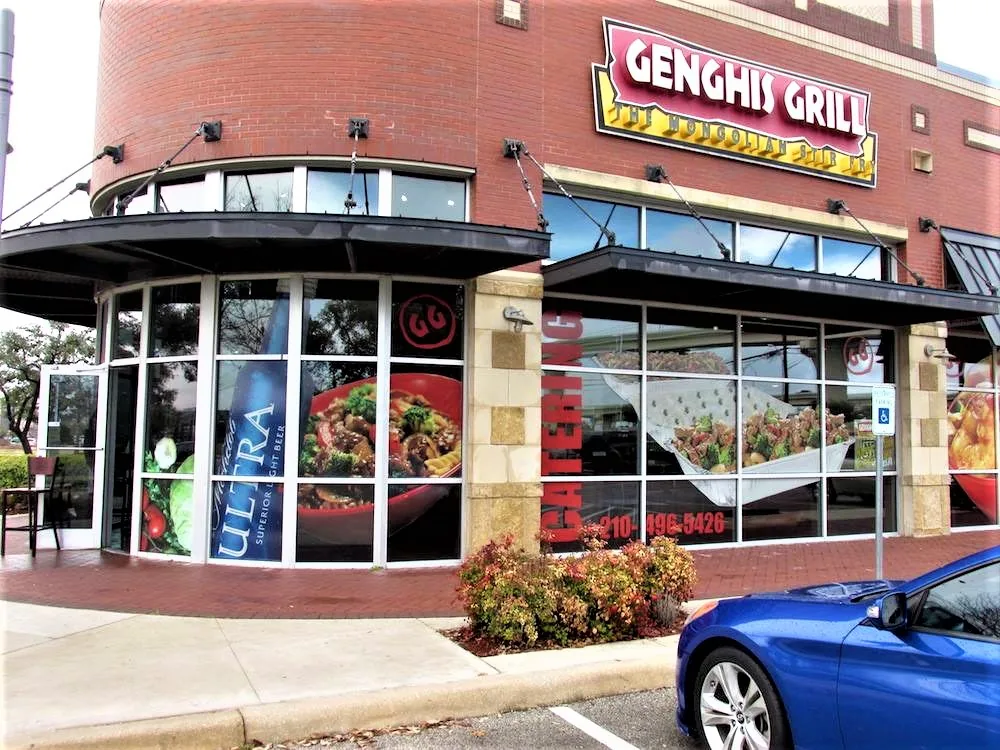
The right package depends on the location and service model. A freestanding restaurant, a shopping-center unit, and a cafe within another building face different constraints. Restaurant signs in Houston should connect the business identity with the actual way customers arrive and use the property.
Royal Signs & Awnings designs, fabricates, installs, repairs, and maintains commercial signage. We can discuss a coordinated restaurant package for a new opening, renovation, relocation, or brand update. Send your address, approved artwork, storefront photographs, landlord criteria, and target date. Explain the dining and pickup arrangements so the design can prioritize the identity and information your guests need rather than treating every restaurant as the same type of project.
Establish the restaurant’s main exterior message
The primary sign should make the restaurant name recognizable within the available area. A logo that works on a menu or social profile may need adaptation for a building face. Fine details, small descriptors, and tightly spaced lettering can become difficult to distinguish when viewed from a moving vehicle or across a parking area.
Begin with the approved identity and the approaches that matter. Share wide photographs showing neighboring units, the entrance, and the available sign band. The layout should give the name, symbol, and any essential supporting wording a clear hierarchy. Avoid filling the space with an entire menu or a long list of services. The exterior identity helps a guest recognize the destination; more detailed information can be placed where people have time to read it.
Compare sign formats for the actual facade
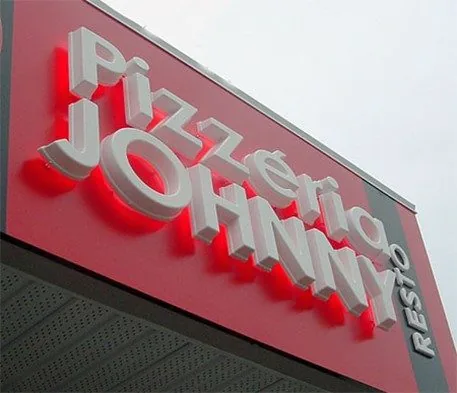
Channel letters, a suitable cabinet, dimensional lettering, or another commercial format may be appropriate depending on the building, design, illumination needs, and property criteria. A blade sign can have a different role on a pedestrian approach. A monument or shared tenant panel may support recognition before guests reach the storefront. These products should be selected around the site rather than added because another restaurant uses them.
Our storefront signs and channel letters pages provide more detail on the principal building options. For the restaurant package, compare how the elements work together. The main name should remain clear, the entrance should be identifiable, and any secondary property sign should reinforce the same approved identity. A complete proposal should explain the proposed construction and what distinguishes it from alternatives with a similar appearance in a small photograph.
Review illuminated signs for evening service
For a restaurant operating after dark, the nighttime identity deserves attention from the start. The sign should remain legible without relying on excessive detail or an assumption that more brightness creates better recognition. Color, contrast, letter proportions, the background, and surrounding lighting all affect how the name appears. Discuss the daytime presentation as well. A face or letter treatment can look different under sunlight and internal illumination. The specification should identify the lighting approach and clarify responsibility for electrical preparation, controls, connections, and future service access. If an existing illuminated sign is being reused or modified, provide records and condition information where available. A new face or logo should not be expected to correct an unresolved lighting fault unless the relevant assessment and work are included.
Reconcile the brand with landlord requirements
A shopping center may specify sign location, dimensions, construction, colors, illumination, or mounting details. A franchise may also have its own identity standards. Obtain both sets of information before finalizing the design. If they conflict, the appropriate approval contacts need to agree on the adaptation rather than leaving the sign provider to guess which instruction takes priority.
Identify who approves the artwork, property submission, budget changes, and installation arrangements. Keep the current approved version clear. A revision to the logo size or construction may affect more than the visual proof, so discuss its consequences before production. The programme should include the relevant review dependencies. Approval outcomes and timing cannot be guaranteed from a general service description; they need to be managed for the actual address and proposed work.
Make the entrance and pickup arrangements understandable
Guests arriving for dine-in, takeaway, or a collection order may not use the same point. Decide what the restaurant’s operating model requires and keep the wording consistent with the instructions supplied to customers. A clearly named collection point is useful only if staff and customer communications use the same name.
Review the route from parking or the pedestrian approach to the intended entrance. Position information where people need to act on it, and avoid covering the principal identity with multiple competing instructions. Door information should be accurate and approved by the operator. If hours or procedures change regularly, discuss how that information can be updated without replacing unrelated elements. The signage should support the restaurant’s actual process rather than introduce a different one.
Coordinate interior branding with the dining environment
The interior identity can connect reception, the order counter, or a feature wall with the exterior presentation. The appropriate scale and finish depend on the room, lighting, seating, and surrounding materials. A sign that is visually striking in isolation may compete with the dining environment if it is oversized or placed where another message needs attention.
Provide interior photographs, a current layout, and the intended brand references. Discuss where a guest should look first and which elements are mainly decorative or identifying. Our lobby signs, dimensional letters, and lighted signs pages can support the product discussion where appropriate. The restaurant package should remain coherent without requiring every element to use the same construction. Consistency in typography, color, and proportion can connect different products while allowing each to suit its location.
Treat menu displays as an operational product
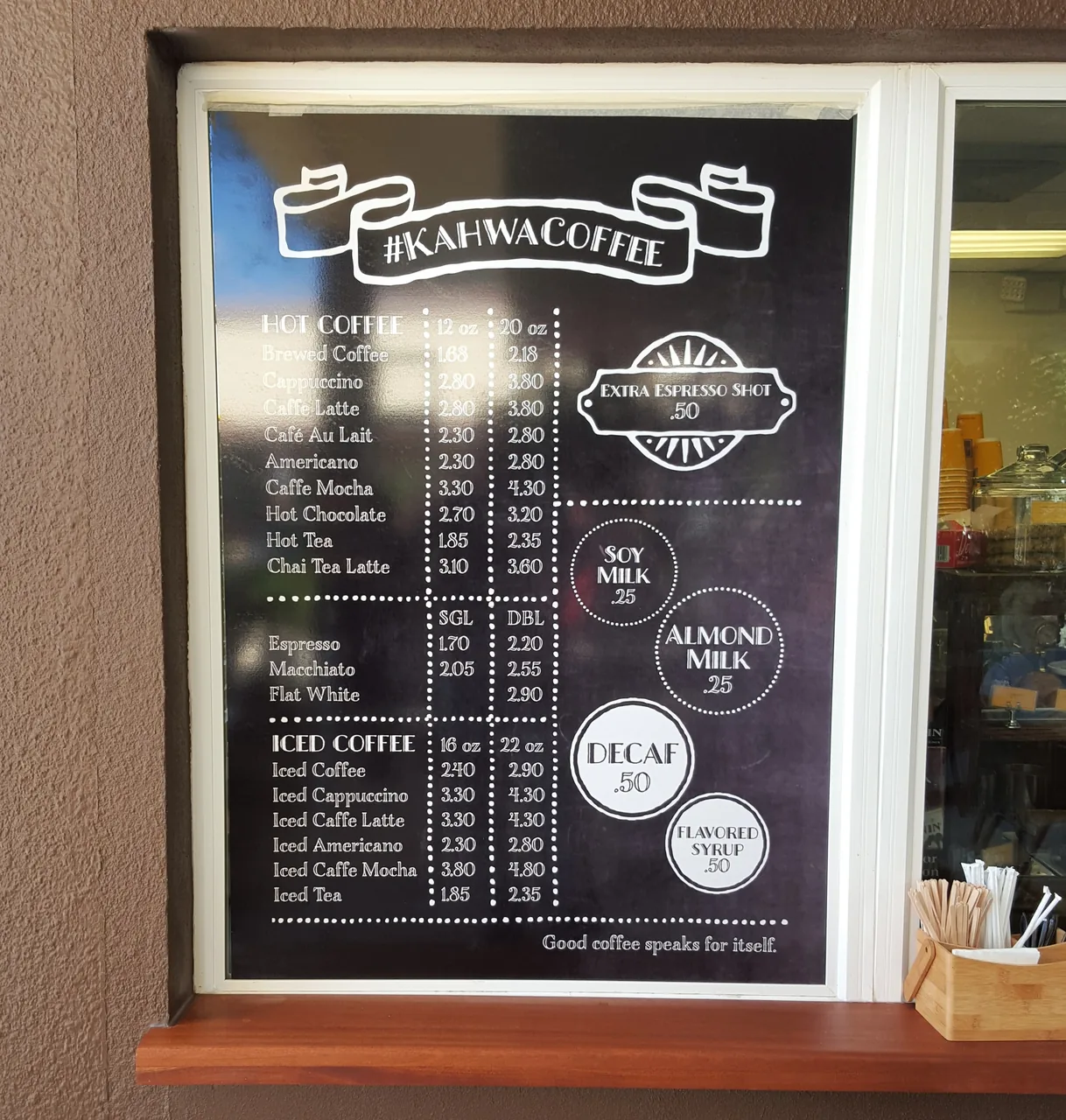
A menu display needs accurate content and a practical update process. Explain the quantity of information, intended viewing distance, lighting conditions, and frequency of changes. A fixed display and an electronic system have different responsibilities. The sign scope should identify the product, artwork preparation, installation, and any hardware or software included.
The restaurant should control approved menu wording, prices, and other required information. If digital displays are being considered, identify who updates them and whether subscriptions, network arrangements, or ongoing content services are required. Confirm those capabilities and costs before including them. Do not assume a screen automatically includes content management or integration with another system. A clear specification helps the operator choose a display it can manage reliably after the initial installation.
Include navigation and room identification deliberately
Restrooms, service areas, and other destinations may need clear identification or direction. Confirm the public-facing names and review the route from the relevant guest areas. A directional sign and a permanent room identifier can have different requirements. They should not be treated as identical products simply because both help customers find a destination.
Provide the plans and applicable project requirements for review with the responsible design or accessibility professional. Our ADA signs and wayfinding pages provide further context for those product roles. The restaurant package should identify which signs are included and what specification governs them. The appropriate approach follows the function and location of the sign. A decorative finish or a visually matching set does not by itself establish that all relevant requirements have been addressed.
Plan a new opening around site readiness
Restaurant openings often depend on several contractors and approvals. The sign team needs current information about facade completion, electrical preparation, interior finishes, access, and the property’s work procedures. Share the desired opening date, but also identify the milestones that must be complete before signage can be installed.
If an old restaurant identity is being removed, define the removal and surface-restoration scope. New branding should not be fabricated on the assumption that a previously occupied facade is ready for immediate installation. Explain whether the restaurant will remain open during the work and how guests will find the business through the transition. A coordinated sequence allows the operator to plan the opening or refurbishment around known dependencies rather than an isolated production estimate.
Plan for cleaning, maintenance, and brand changes
Restaurant signs need care appropriate to their location and construction. Explain the normal cleaning practices and any exposure relevant to the proposed installation. Request product-specific guidance rather than assuming the same method can be used on every face, finish, or illuminated component. Service access should be considered when the package is specified.
Keep the final artwork, construction information, installation photographs, and written warranty terms in a property record. Royal Signs & Awnings offers a 10-year warranty, with the actual coverage, exclusions, and responsibilities to be confirmed for the quoted work. The record is also useful when opening another location, updating the logo, or replacing an element later. A consistent source of approved information helps future work stay aligned with the restaurant’s identity.
Request a restaurant sign consultation in Houston
Send the address, logo files, storefront and interior photographs, landlord or franchise criteria, intended service model, current sign inventory, and target dates. Identify the main approval contact and any work being managed by the fit-out team. If a menu display or shared property panel is required, include it in the initial discussion rather than adding it after the main sign is approved.
Call Royal Signs & Awnings at (346) 644-6749 to discuss restaurant signs in Houston. Around 30 years of experience supports our commercial signage work. We can help define the exterior identity, entrance information, interior branding, and related sign elements appropriate to your location. The aim is a coordinated package that makes the restaurant recognizable and gives guests clear information at the points where they need it.
Let’s talk about your sign.
Share your location, artwork and project goals with our Houston team.
Request a Project QuotePROJECT QUESTIONS
Frequently asked questions
What type of sign is suitable for a restaurant storefront?
The answer depends on the facade, identity, viewing conditions, illumination needs, budget, and property criteria. Channel letters, cabinets, and dimensional lettering are possible formats to assess.
Can a restaurant sign be illuminated?
An illuminated format can be discussed for the actual site. The proposal should address construction, electrical responsibilities, controls, and service access.
Can pickup and dine-in signs be planned together?
Yes. Provide the approved operating model and customer routes so wording and placement support the way the restaurant actually serves guests.
Does a digital menu quote include software and content updates?
Only when those services are expressly included. Confirm hardware, software, subscriptions, network responsibilities, and the content workflow in the proposal.
Can signage be updated while the restaurant stays open?
Discuss operating hours, access, work areas, and the transition plan. A suitable sequence depends on the property and work being carried out.
What should I provide for a restaurant sign estimate?
Send photographs, the address, artwork, property or franchise criteria, desired sign locations, service arrangements, and target dates. Include details of existing signs that need removal or reuse.