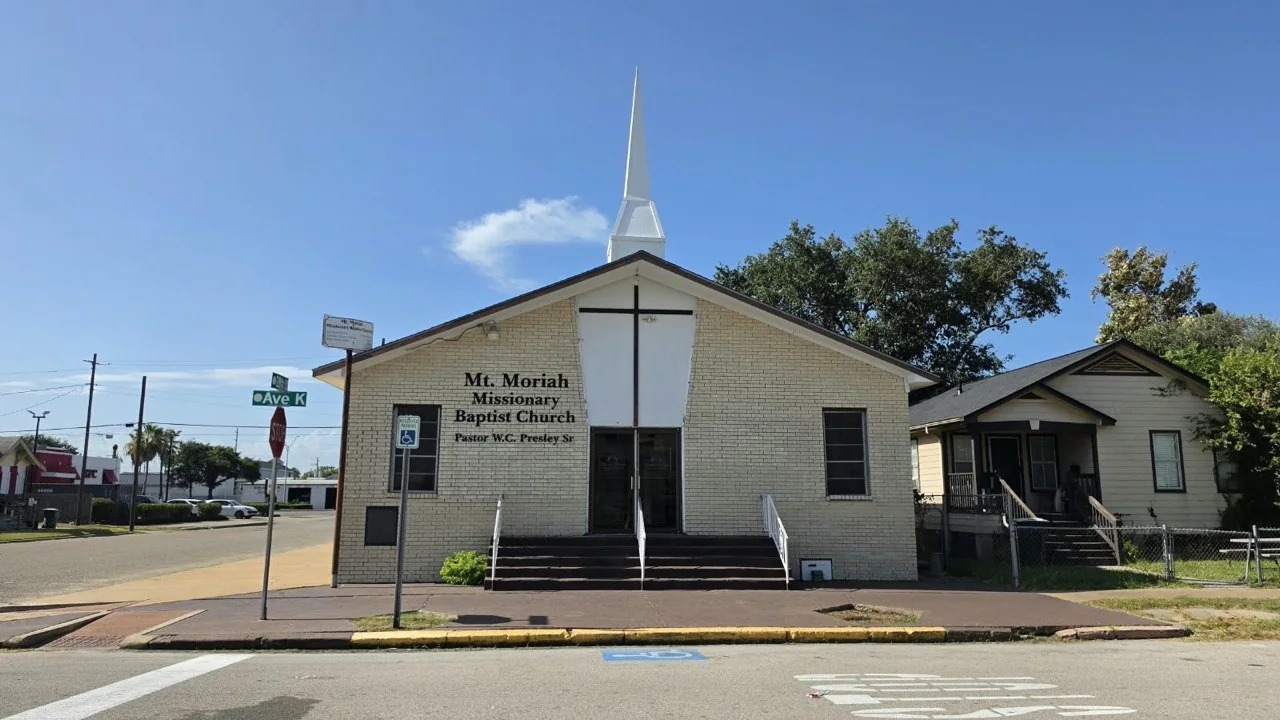
Make the Church Name Recognizable
The main identity should introduce the church clearly within the space available. Building letters, illuminated cabinets, channel letters and dimensional metal or acrylic signs create different presentations.
Start with the public-facing name and approved artwork. A long name, symbol and supporting wording need a deliberate hierarchy rather than equal emphasis. Share photographs of the building and normal approach so the layout can be considered as part of the property. The sign should belong to the building without making the essential name difficult to distinguish.
Monument, Pylon and Pole Signs for the Property Entrance
A separate entrance sign can be considered where the building is set back or the driveway is not obvious. Monument signs offer a ground-level identity, while pylon or pole formats provide different arrangements where appropriate.
The proposed position needs review alongside the message, approach and property information. Landscaping and the relationship to the driveway matter. If the project retains an existing structure, provide available records before assuming that a larger face or changed arrangement can use it unchanged. The proposal should identify what remains and what will be replaced.
Illuminated Signs and Changing Messages
Lighting can support recognition when visitors arrive after dark, but the unlit appearance matters too. Discuss the intended presentation rather than selecting a glow effect without considering the complete sign.
If an electronic message center or digital display is being considered, explain what information will change and who will update it. Fixed church identification and changing messages should have separate roles. The available equipment, support and project requirements need confirmation before a display is included in the scope. A digital component should answer a communication need rather than simply occupy unused space.
Interior Directions, Room Signs and Welcome Areas
Visitors may need directions to the main entrance, office, restrooms or meeting rooms. Use approved destination names consistently so the information on a directional sign matches the sign at the door.
Reception logos, acrylic signs and dimensional wall identities can support the welcome area, while directories and room labels handle navigation. Applicable accessibility specifications should be reviewed according to the content and location. For temporary events, banners and portable information can serve a short-term purpose without replacing the permanent direction system.
Awnings, Canopies and Coordinated Entrance Presentation
An awning or canopy may be part of the entrance discussion, particularly when the enquiry also involves an identity change. Explain whether the request concerns a new feature, graphics on an existing assembly or repair work.
Show the complete entrance and identify what the church wants to retain. Signage and broader construction should have clear scope boundaries. A coordinated appearance is useful, but the quotation still needs to explain the supplied items, preparation and installation responsibilities rather than treating every entrance task as one unspecified addition.
Updating or Repairing an Existing Church Sign
An older sign may need a face update, lighting attention or a broader identity change. Tell us what has changed and what the church would like to preserve.
Provide safe photographs and available installation records. Repair, refacing, removal and replacement should be considered around the condition and proposed result. For a larger package, agree the wording and approval contact before individual signs are ordered. That helps the property present one current identity rather than several versions left from earlier updates.