Explore this page
The exterior identity, entrance information, and interior presentation all contribute to that experience. Custom retail signage in Houston works best when those elements are planned together around the store's location, brand, merchandise, and customer approach.
Royal Signs & Awnings designs, fabricates, installs, repairs, and maintains commercial signage for businesses. For a retail project, we start with the property and the way people will find and use the store. Share the address, approved logo, photographs, landlord criteria, and opening or renovation date. We can discuss a sign package that connects the storefront with the interior without filling every available surface or adding messages that compete with the business name.
Plan the customer’s approach before choosing products
A store in a shared shopping center faces a different identification problem from a freestanding business. Customers may approach from a parking aisle, a main driveway, or a pedestrian route. Neighboring signs, landscaping, building features, and parked vehicles can affect what they see. Begin by identifying the approaches that matter for your location.
Take wide photographs from those positions and mark the entrance. Explain whether customers already know the brand or need to recognize the type of store as well as its name. The sign plan can then establish a hierarchy: property recognition, store identity, entrance confirmation, and useful information inside. This sequence is more useful than selecting several attractive products independently and hoping they work as a coordinated system once installed.
Give the storefront a clear primary identity
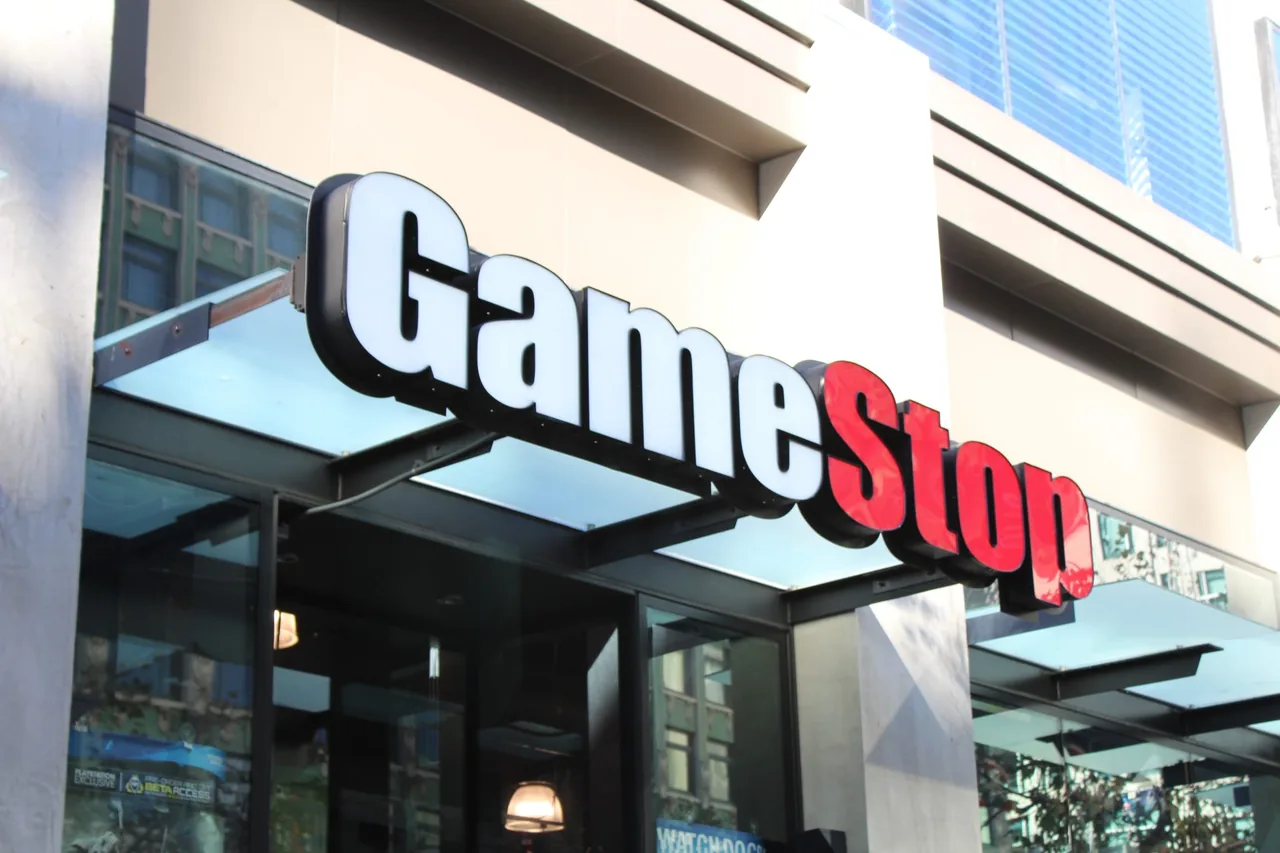
The main storefront sign should identify the store within the area available. Channel letters, dimensional lettering, or a cabinet may be suitable depending on the design, property criteria, lighting needs, and construction. Compare these options for the actual facade. A sign photographed on a taller building may not translate comfortably into a narrow sign band.
Keep the business name and recognizable logo at the center of the layout. Long descriptors and small secondary wording can reduce clarity when the viewing time is short. The approved proof should show the arrangement in relation to the storefront rather than only as an isolated artwork file. Our storefront signs page explains the main product decisions in more detail. The retail package then connects that principal identity with entrance and interior information.
Work with the shopping center’s sign criteria
A landlord may define the permitted sign area, construction, colors, illumination, mounting approach, or review process. Obtain those criteria before committing to a design. A store’s brand guidelines and the property’s rules may need to be reconciled through an approved adaptation. Discovering that conflict after production can create unnecessary cost and delay.
Identify the property contact and the business representative authorized to approve revisions. If the lease includes a panel on a shared pylon or monument sign, confirm its allocation and requirements separately from the storefront. The sign package should identify who handles each submission and what information is required. Property approval and other applicable reviews are project dependencies, so keep them visible in the programme rather than assuming the store’s preferred layout is automatically acceptable.
Consider illuminated signs for the store’s operating hours
A retailer trading after dark may need an illuminated identity that remains recognizable when the surrounding environment changes. Discuss how the proposed sign will read in daylight and at night. Color, contrast, letter proportions, and light distribution all influence the result. A bright sign with crowded wording can still be difficult to interpret.
The specification should include the relevant construction and clarify electrical preparation, controls, connections, and future service access. Those responsibilities may involve the property or another contractor. If the store is replacing an illuminated sign, share photographs and any available service information. Do not assume the existing equipment can support a new design unchanged. Our lighted signs service can be linked to this discussion when illumination is a key part of the proposed retail identity.
Keep entrance information simple and current
After recognizing the store, customers need to confirm the entrance and any essential information. The business name, unit number, hours, and agreed entry instructions should be accurate and readable from a useful position. Decide which details belong at the door and which are better communicated elsewhere. An entrance covered in competing messages can make the basic information harder to find.
Check the wording against the store’s current operating arrangements. If hours are likely to change, discuss a construction that allows the relevant information to be updated appropriately. Do not place generic opening hours into production because they appeared in an earlier artwork file. The store manager should approve the final text. Consistency across the physical entrance and customer communications helps prevent a clear sign from delivering outdated instructions.
Use interior branding to support the merchandise
Inside a store, the brand should feel connected to the exterior while allowing products and service areas to remain the focus. A feature identity behind a counter, a suitable wall sign, or a coordinated departmental treatment can help establish that relationship. The appropriate scale depends on the room, sightlines, fixtures, and the way customers move through the space.
Share interior photographs or current plans and identify the principal customer destinations. Discuss materials, finishes, lighting, and how closely new signs need to match existing elements. Our lobby signs and dimensional lettering pages offer product-specific context for suitable branded features. The retail page should remain focused on the store as a whole. A restrained, consistent set of elements can create a clearer presentation than using a different visual style for every available wall.
Help shoppers identify departments and service points
Department names, collection points, fitting areas, and customer-service locations should use language the intended visitor understands. Agree the naming before production and keep it consistent across signs and staff instructions. The right wording is often more useful than a decorative arrow pointing toward a destination customers do not recognize by name.
Walk the shopping route and identify where a person needs to choose a direction. Information should appear before the decision or where people can pause to read it. Avoid placing a sign where it is routinely hidden by merchandise or seasonal fixtures. If the store layout changes frequently, discuss how directional and departmental elements will be reviewed. Our wayfinding signs service provides further detail, while the store manager remains responsible for confirming the actual customer route and destinations.
Separate permanent identity from changing promotions
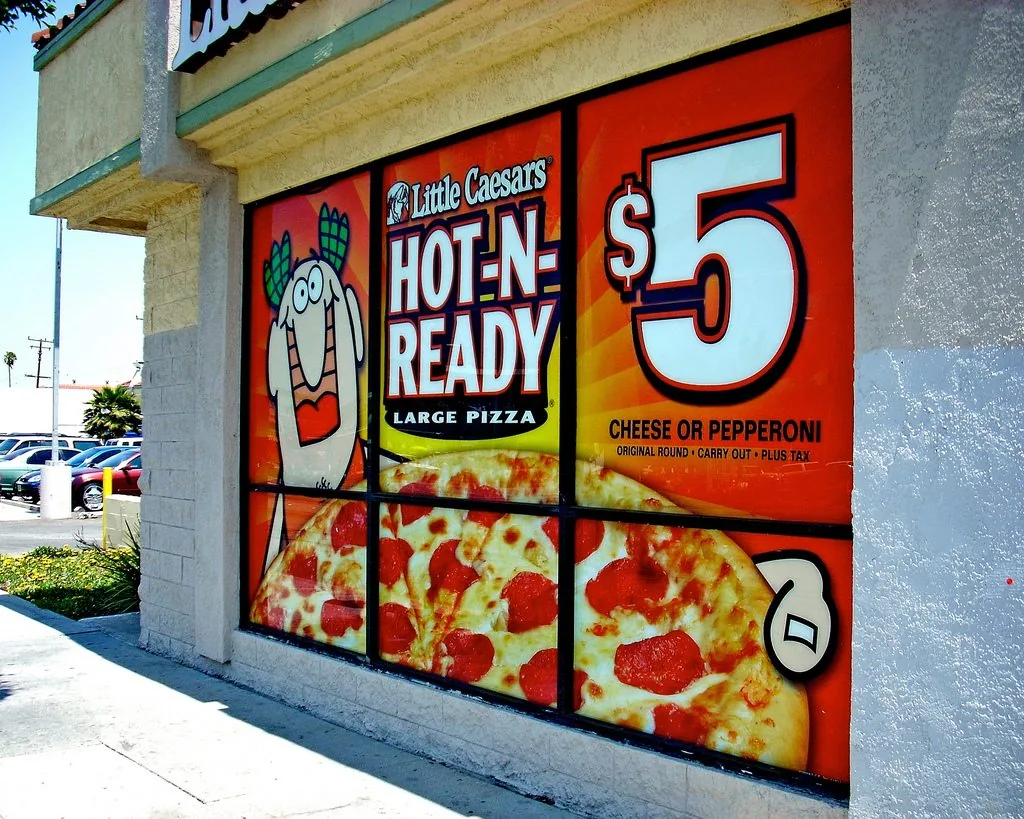
A permanent storefront sign and a short-term offer serve different purposes. The main identity should remain clear when promotional messages change. Decide which surfaces carry stable information and which are intended for updates. This helps the store avoid covering its own name or entrance details whenever a seasonal campaign begins.
For this commercial sign package, prioritize the durable identity and navigation elements first. Any additional promotional graphics or display systems should have their own agreed scope, artwork process, and update responsibilities. The team should confirm product availability before including them. A retailer does not need every sign type to achieve a coordinated result. The useful package reflects the business priorities and keeps changing messages from weakening the elements customers rely on to find and understand the store.
Coordinate a new-store opening or refurbishment
Retail projects often involve several trades working toward a shared opening date. Facade finishes, internal fixtures, electrical preparation, landlord access, and delivery arrangements can affect signage installation. Provide the current programme and identify the person coordinating site readiness. The sign team needs to understand which surfaces and areas will be available at each stage.
A renovation may allow some signs to be updated while the store continues trading. Explain that operating plan early. The sequence should account for customer access and the appearance of the business during the transition. If an old sign needs removal, identify the surface condition required before the replacement is installed. Clear dependencies help the customer compare a realistic project programme with the desired date and make informed decisions when another part of the fit-out changes.
Compare sign packages with the same scope
A retail quotation should identify each sign, its location, construction, artwork requirements, and included services. Verify whether survey work, removal, delivery, installation, electrical coordination, and surface treatment are included or separately arranged. A price for the main storefront sign alone is not directly comparable to a complete identity and interior package.
Share the budget range and identify the elements essential for opening. The project may be divided into phases if the overall system is planned coherently. Keep the same approved brand references and destination names across those phases. Avoid creating a collection of unrelated signs simply because different elements were purchased at different times. A clear sign schedule can help the business keep future additions consistent with the work installed first.
Request a retail signage consultation in Houston
Send your property address, storefront photographs, internal plans or photographs, logo files, landlord criteria, sign inventory, and target date. Explain whether the store is new, relocating, refreshing its identity, or replacing a damaged sign. Include any shared property panel and the person who can approve its design. These details help establish a complete starting point for the quotation. Call Royal Signs & Awnings at (346) 644-6749 to discuss custom retail signs in Houston. Around 30 years of experience supports our commercial signage work. We can help define the design, fabrication, installation, and service scope your store requires. The aim is a recognizable exterior, a useful entrance, and an interior sign system that belongs with the business rather than competing with the shopping experience.
Let’s talk about your sign.
Share your location, artwork and project goals with our Houston team.
Request a Project QuotePROJECT QUESTIONS
Frequently asked questions
What should a retail sign package include?
The appropriate package may include a storefront identity, entrance information, approved shared-property panel, interior branding, and departmental wayfinding. Choose around the actual store and customer needs.
Can my storefront sign match my brand guidelines?
Share the original artwork and standards. The design also needs to account for the available facade, sign construction, and landlord requirements.
Do retail signs have to be illuminated?
No. Discuss operating hours, viewing conditions, property criteria, budget, and the intended appearance before selecting illumination.
Can signs be installed during a store refurbishment?
Potentially, subject to site readiness, access, the installation scope, and coordination with the fit-out team. Agree the sequence before scheduling attendance.
Will the landlord approve my preferred sign?
The property has its own review process and criteria. Confirm requirements early; approval should not be promised before the responsible party has reviewed the proposal.
Can a retail package be completed in phases?
Discuss priorities, budget, and timing. Use a coordinated layout and sign schedule so later additions remain consistent with the first phase.