Explore this page
The result might be a simple panel, a raised logo, a printed graphic, or a coordinated feature using more than one construction. We discuss the room or facade around it before selecting a format. What will people see first? How close will they stand? Does the wall need to carry practical information or act as a visual focal point? Answering those questions helps the project become more than an attractive image placed on an available surface. The finished display should feel connected to the space and the business using it, with its scale and message chosen deliberately.
Give the wall one clear role
A reception identity wall should not necessarily become a company history display as well. A product feature can have a different purpose from a department marker. Decide what the viewer should understand after seeing the sign. That brief makes it easier to judge artwork and prevents the wall from collecting unrelated content simply because the space looks large enough.
For a story display, organize the information into a sequence a visitor can follow. For branding, consider which elements of the identity deserve prominence. For practical information, prioritize readability over decorative detail. We help compare those approaches around the intended audience and viewing conditions. If the central requirement is specifically a reception feature, lobby signs can provide a focused route for planning it. A wall sign can support many business settings, but the useful design direction comes from its role rather than the material or shape selected first.
Review the wall as it will actually be used
An empty wall photograph is a starting point, not the complete setting. Furniture, screens, shelving, open doors, and people can change the visible area. In an office, the sign might sit behind a desk and need to be balanced with the person working there. In a retail setting, temporary displays may obscure a low installation. Outside, landscaping and architectural features can affect the view from the approach.
Show the surrounding space as well as the proposed mounting area. If the premises are still being fitted out, provide a current layout and describe what will stand in front of the wall. We discuss the available visual space and the intended position together. A sign can be correctly centered on the building surface and still feel misplaced in the room. The aim is a composition that works in ordinary use, not only a cropped mockup with the nearby objects removed.
Compare a panel with individual raised elements
A panel provides a defined background for text and graphics. Individual raised elements allow the wall finish to remain visible between them. The two approaches can produce very different impressions even when they carry the same logo. A panel may help control contrast against a busy surface, while separate elements can create a more integrated architectural appearance.
We discuss the background, artwork detail, and mounting conditions before recommending a direction. If your preference is a raised wordmark or logo, dimensional letters can offer a specialist construction to explore. If the information needs a stable graphic field, a suitable panel may be more practical. Neither approach is automatically more professional. The choice should follow the visual character you want and the way the sign will be read. A combined design can also work, but each layer should have a purpose rather than adding complexity simply to make the display appear more elaborate.
Wall graphics need an appropriate surface
Printed wall graphics depend on the relationship between the film, adhesive, paint, and surface condition. A smooth-looking wall is not proof of compatibility. Paint types and their bond to the substrate vary, and a recently decorated wall may need time and review before application. Surface concerns should be resolved before the graphics are specified for production.
Manufacturer guidance supports testing adhesion for the chosen application rather than assuming one film works on every paint. We discuss the condition of your wall and any appropriate preparation or test requirements. Tell us when it was painted, what finish was used if known, and whether moisture or peeling has been an issue. Do not expect a graphic to hide or correct an unstable finish. If the surface is unsuitable, another construction or preparation work may be needed. Those decisions protect the project from being based on an attractive design with an unresolved installation surface.
Build a large composition around its seams and edges
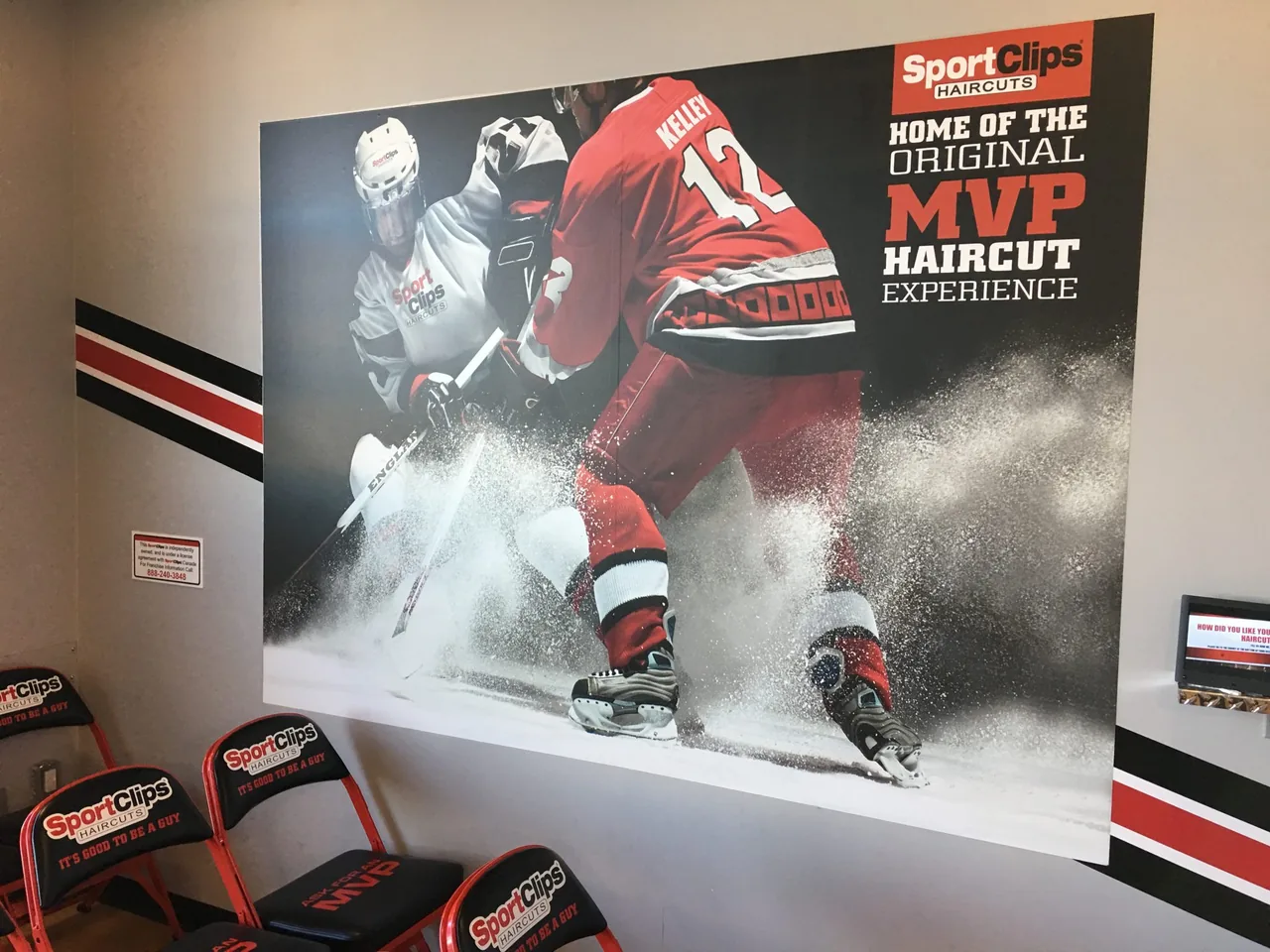
A larger printed display may be produced in several sections. The layout should take that construction into account before artwork approval. Important text, faces, or fine brand details should be reviewed where panel joins or installation edges may fall. The corners of the wall, sockets, fixtures, and recesses also influence the usable composition.
Consider whether the design should end within a defined area or continue around a feature. A mural-like image across the full surface creates a different effect from a restrained graphic with open wall around it. We discuss the intended extent and the site details so the production arrangement supports the image. Provide artwork with sufficient resolution and avoid enlarging a small photograph beyond its useful quality. A considered layout makes the overall display feel deliberate from across the room while also resolving the details someone notices when they stand beside it.
Choose finish and contrast in the room lighting
A glossy face can reflect nearby windows or lights. A matte finish creates a different impression, but it should still be evaluated in the setting. The background color, illumination, and normal viewing angle determine how easily the sign can be read. A pale logo against a pale wall can look restrained in a rendering and become difficult to distinguish in the actual room.
Review samples where appearance is important, especially when coordinating with architectural finishes. A color viewed on a screen is not a complete reference for a physical product. Consider the exposed edge and fixing appearance as well as the front face. If illumination is part of the idea, discuss the proposed construction and electrical arrangements separately. The wall display should not rely on a vague promise of backlighting without a product and installation specification that can create the intended effect. Finish, light, and contrast should be resolved as one design conversation.
Exterior wall installations have different demands
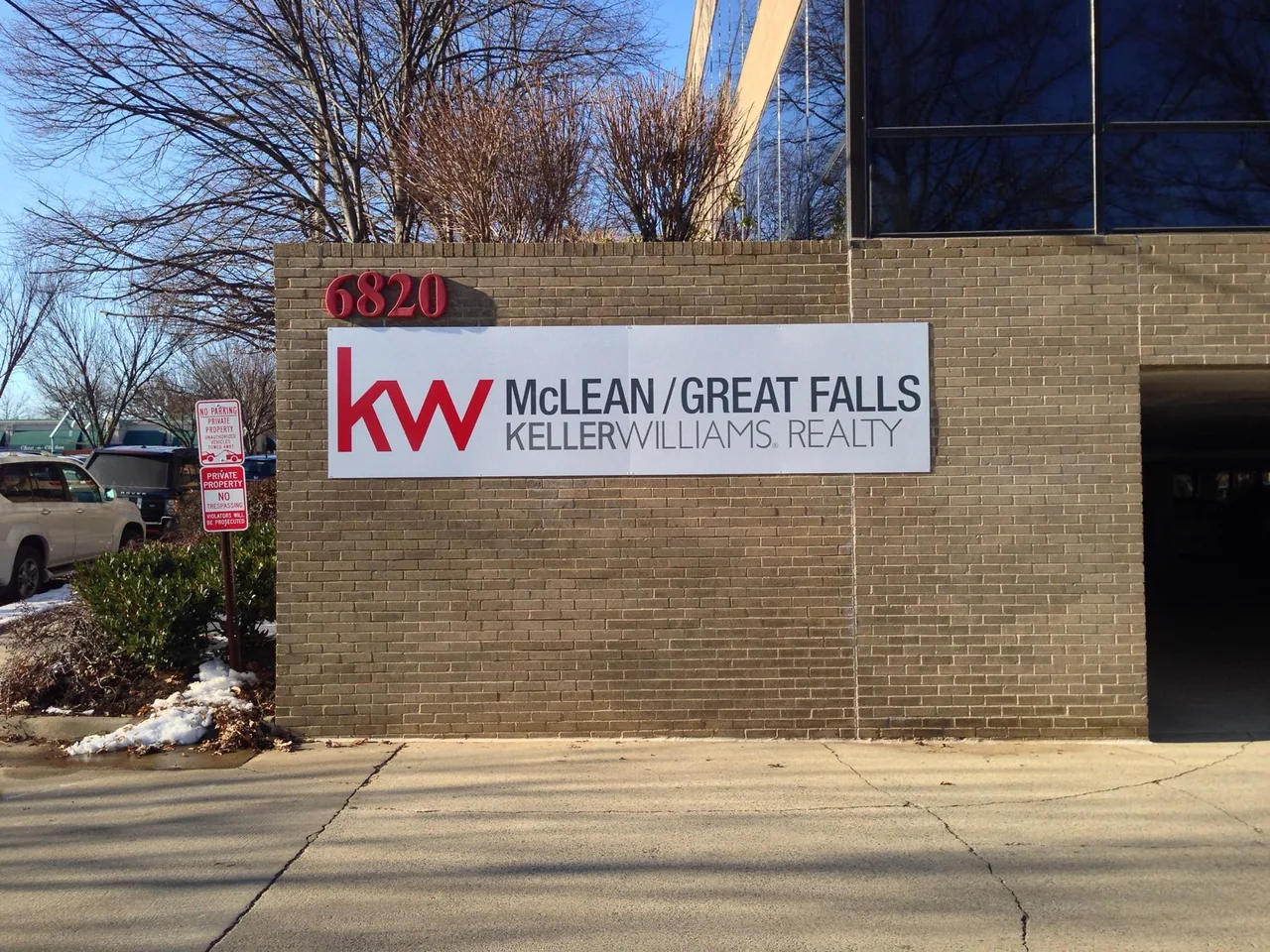
An exterior wall sign needs materials, graphics, support, and placement suited to the location. An interior product should not be moved outside simply because its appearance is appropriate. The building surface and structure need review, along with exposure, access, and any applicable approvals. A finished cladding layer may not by itself provide the support required for the proposed installation.
For leased premises, obtain the current property sign criteria and identify who can approve the work. Public review requirements depend on the address and scope. We discuss those conditions rather than supplying a universal mounting or size rule. If the wall sign is part of your business frontage, storefront signs can help coordinate it with the entrance and other customer information. The wall location is one part of the project; it needs to support the intended view while fitting the building and the actual responsibilities for installation, service, and future removal.
Use genuine content in company story displays
A company history or capabilities wall can create interest when it uses real information. Provide confirmed dates, approved descriptions, and photographs the business has permission to use. Avoid adding impressive-looking milestones, client names, or production claims that have not been verified. A restrained display with meaningful details is more convincing than an ambitious timeline built from uncertain information.
Choose a level of detail suited to the space. A waiting area allows more reading than a corridor people pass through quickly. The design can organize text into clear groups rather than presenting a long paragraph in small lettering. Decide who will approve the facts and who will update the display when information changes. We help translate the supplied content into a wall format, but its accuracy remains important throughout the design process. The strongest visual treatment cannot compensate for a statement that the business cannot support when a customer asks about it.
Plan the project for installation and later changes
A useful quote identifies the sign construction, dimensions, artwork, mounting, preparation, and installation scope. Removal of an existing display or repair of the wall should be addressed where relevant. A panel supplied without installation is not directly comparable with a complete wall project. Tell us about property access procedures, occupied work areas, and any target refurbishment date so the sequence can be discussed. Think about future updates before selecting permanent text or graphics. A logo change may require a different intervention from replacing a small information panel. Keep the approved artwork, colors, dimensions, and materials in your records. Ask for care instructions appropriate to the supplied display, and share them with cleaning staff. Removal should also be discussed honestly: no general promise of damage-free removal applies to every wall and adhesive combination. The long-term plan should reflect the surface, construction, and way your business expects to use the display.
Show us the surface and the idea
Send the Houston location, photographs of the wall and surrounding area, approximate dimensions, and the message you want the display to carry. Include logo files or proposed imagery, property restrictions, and details of the surface finish. For a story wall, provide confirmed text and permission-cleared photographs. For exterior work, show the wider building approach as well as the proposed mounting area.
Royal Signs & Awnings can help compare wall signage directions around your premises, from a focused identity feature to a larger branded display. Request a wall sign consultation or call (346) 644-6749 to discuss the options. The project should begin with a purpose and a realistic view of the surface. From there, material, layout, scale, and mounting can be developed together so the finished sign becomes a useful part of the business environment rather than an image that looks convincing only on a design screen.
Let’s talk about your sign.
Share your location, artwork and project goals with our Houston team.
Request a ConsultationPROJECT QUESTIONS
Frequently asked questions
Can wall signs use both graphics and raised elements?
A combined construction may be possible where it suits the artwork and installation. Each material and attachment method should be specified for the actual surface.
Can adhesive graphics be applied to any painted wall?
No. Paint, surface condition, and film compatibility need review, and appropriate adhesion testing may be required.
Will removing wall graphics leave the paint untouched?
That cannot be guaranteed for every surface. Discuss the material, paint condition, duration, and removal method before approval.
Can the same wall sign be used indoors and outdoors?
Do not assume so. Exterior exposure, mounting, and approval requirements need an application-specific specification.
What should I provide for a wall sign quote?
Share the address, wall photographs, dimensions, logo or content, surface details, and property restrictions. Explain the sign purpose and whether it is indoors or outside.