Explore this page
Royal Signs & Awnings designs, fabricates, installs, repairs, and maintains commercial signage. We can discuss channel letters for a new storefront, an existing business, a relocation, or a brand update. Send the address, logo files, wide photographs, landlord requirements, and target date. A useful proposal should explain the lettering construction and the complete project scope so you can compare options around the installed result rather than an isolated picture of the letters.
Review the facade before choosing a letter size
The available sign area can be shaped by the building, property criteria, architectural features, and existing installations. A large facade does not automatically provide unlimited space for lettering. The customer approach also matters. A sign viewed across a parking area may need a different arrangement from one intended mainly for pedestrians near the entrance.
Share wide photographs that show the storefront and its surroundings. Include the sign band, entrance, neighboring units, and any features that affect the view. Approximate dimensions help begin the discussion, while final planning may require verification. The design should show the letter set in relation to the building. This makes it easier to judge proportions and identify layout issues before fabrication rather than relying on the appearance of artwork against an empty background.
Adapt the logo for physical lettering
A digital logo can include fine strokes, small descriptors, gradients, or closely spaced elements that need review at the proposed sign size. Channel letters add depth, separate components, and construction requirements. The design should preserve the recognizable identity while accounting for the selected product and the way the sign will be read.
Provide original vector artwork and brand standards when available. If only a small image or photograph exists, discuss artwork preparation as part of the scope. Review the name, symbol, spacing, line breaks, and supporting wording together. A distinctive logo may need a different balance on the facade than on a business card. Our custom sign design service can support that work, with the approved layout becoming the reference for fabrication and installation.
Compare illumination styles for the brand and building
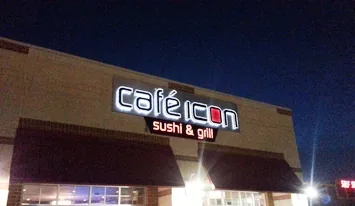
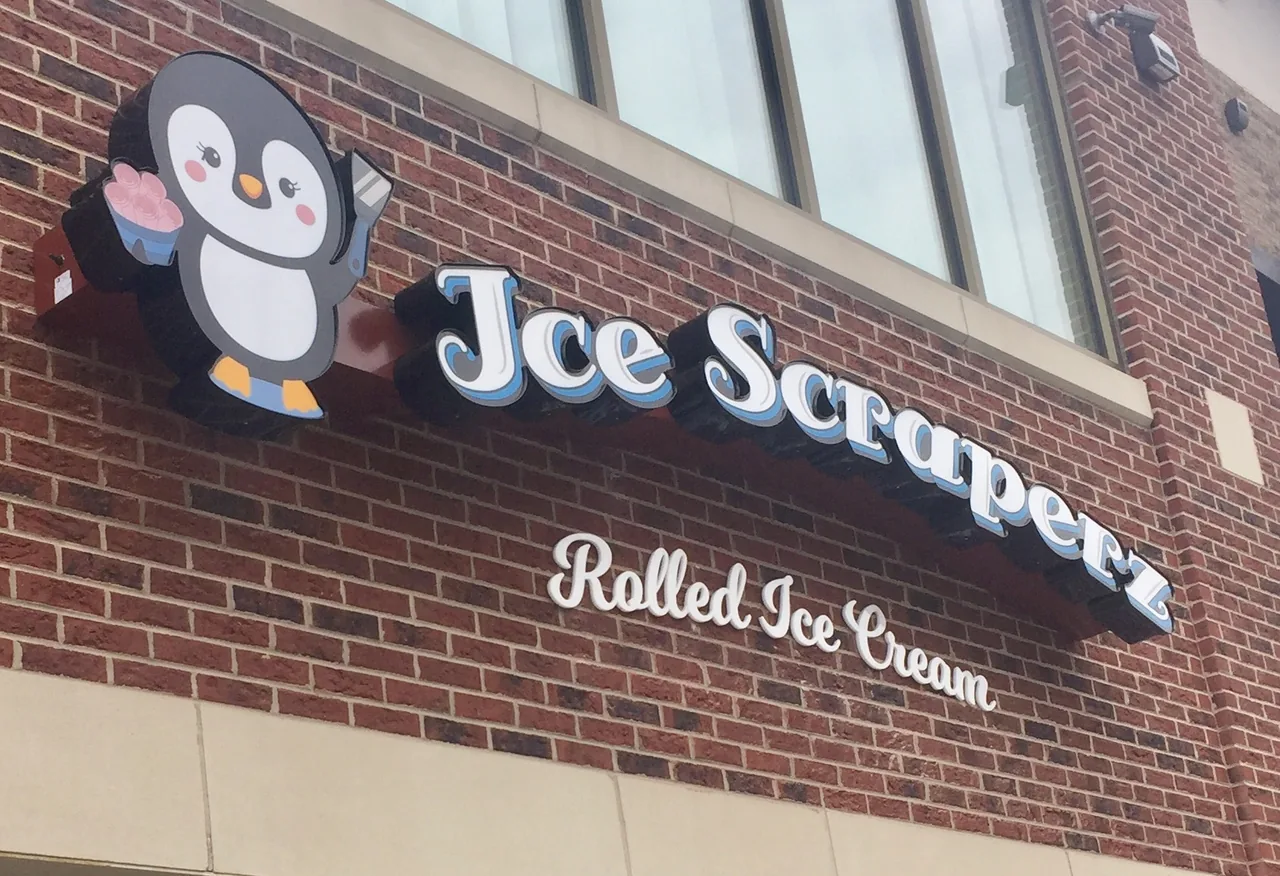
Front-lit letters present illumination through their faces. A halo-lit arrangement creates a different effect around the lettering and depends on the relationship between the letters, mounting arrangement, and background. Other constructions may be discussed where suitable. Non-illuminated dimensional lettering is another product category to compare when the business does not need internal lighting.
Describe the intended appearance in daylight and after dark. Consider the wall color, surrounding lighting, viewing distance, and the brand’s approved treatment. A lighting effect seen in another photograph may respond differently against your facade. Ask for the proposed construction to be identified clearly rather than selecting a style from a broad product name alone. Our lighted signs page can provide further context while the channel-letter specification remains tailored to the actual project.
Keep the business name clear at the viewing distance
The primary task is recognition. A sign may be beautifully fabricated and still be difficult to read if the wording is crowded, contrast is weak, or supporting information competes with the name. Prioritize the elements customers need first. Long service lists and small contact details may be better placed where people have time to stop and read them.
Review the proposed arrangement at a reduced scale as well as close up. Check that the wordmark reads as a coherent name and that separate logo elements remain connected visually. Letter spacing is an appearance decision, not simply an equal gap between rectangular boundaries. The approved design should capture the complete composition so the installed set follows the intended relationship between its elements instead of leaving each letter to be positioned independently.
Compare individual mounting and raceway arrangements
A letter set can have different mounting approaches depending on the construction, building, access, and property requirements. Individually mounted letters and a raceway arrangement present different visual and practical considerations. A landlord may also have a preferred or required treatment. Discuss the options for the actual facade before choosing solely on the appearance of another installation. The proposal should identify the relevant mounting scope and any components included. Site information needs to support the selected method. A previous sign’s attachment pattern does not establish that it is suitable for a new letter set. Where further review is required, clarify the responsibility and information needed. A clear mounting discussion connects the lettering with the building and helps make differences between otherwise similar-looking quotations understandable.
Confirm electrical preparation and service access
Illuminated channel letters need an agreed arrangement for power, controls, and related access. Provide information about any existing sign and identify the property contact who can coordinate electrical questions. The fact that an old illuminated sign operated at the location does not establish that every part of the existing arrangement is appropriate for the proposed product.
The scope should distinguish the sign, associated components, electrical preparation, final connections, and other separately arranged tasks. Confirm which responsibilities belong to the sign provider, property team, or electrical contractor. Discuss future service access at the same time. A sign is easier for the business to manage when the installation record explains what was supplied and how service requests should be coordinated, rather than leaving the customer to reconstruct those details after a fault appears.
Coordinate landlord and brand approvals
Shopping centers and commercial properties may have rules for sign location, dimensions, construction, color, illumination, or mounting. A franchise or managed brand may have additional standards. Obtain the current documents before finalizing the design. If they conflict, identify the people authorized to agree on a suitable adaptation.
Keep the approval record connected to the correct artwork version. A change to size, illumination, or construction may affect both the property review and the installation scope. The programme should show the relevant dependencies before production release. No general sign page can establish a guaranteed approval outcome or review period for every Houston-area address. Clear responsibility gives the customer a better understanding of what needs to happen before the design can become a fabricated product.
Plan the replacement of an existing storefront sign
A new letter set may be replacing a cabinet, a raceway, or another set of letters. The old installation can leave a different footprint on the facade. Removal may reveal attachment points, faded paint, staining, or repaired surfaces. Those conditions can affect the appearance and sequence of the new work even when the old sign is removed carefully.
Identify removal, retention, disposal, and any surface treatment as part of the project scope. Painting or cladding repairs may need another contractor. If you want to reuse existing letters, discuss relocation or refurbishment assessment rather than assuming the set can be transferred unchanged. The new design should suit the intended property and current identity. A complete replacement plan connects removal and preparation with the final installation so the business understands the work between those stages.
Prepare the site for installation
The area around the storefront affects the installation plan. Parking spaces, landscaping, canopies, delivery routes, gates, and overhead obstructions can influence access. Provide photographs showing the surroundings and explain the property’s working hours and procedures. The team can then discuss the equipment and arrangements appropriate to the site.
If the business remains open, identify customer access and periods of heavy activity. If the property is still being fitted out, confirm who can provide current information about facade completion and electrical readiness. An installation date needs to follow those dependencies. Clear preparation helps avoid a visit that cannot progress because the agreed work area is unavailable or a required task by another contractor remains unfinished.
Compare complete channel-letter quotations
A quotation should explain the approved arrangement, dimensions when confirmed, construction, materials, finish, illumination, mounting scope, and included services. Artwork preparation, survey work, removal, delivery, access, installation, and electrical coordination should be visible where relevant. A price for a letter set alone is different from a complete installed project.
Share the budget and the result the business needs. The team can discuss the choices that affect appearance and scope without reducing the comparison to a single price per letter. Letter count alone does not account for logo complexity, proportions, construction, mounting, or site conditions. A useful decision compares like-for-like responsibilities and the installed identity the customer will actually receive at the property.
Request channel letter signs in Houston
Send your property address, original artwork, photographs, approximate dimensions, landlord or brand criteria, existing sign details, and desired completion date. Explain whether the business is opening, replacing its current sign, relocating, or updating its identity. Identify the main approval contact and anyone coordinating the site work so the project can be planned from a shared set of information.
Call Royal Signs & Awnings at (346) 644-6749 to discuss channel letter signs and installation in Houston. Around 30 years of experience supports our commercial signage work. Ask for the applicable written warranty, care information, and project record alongside the quotation and handover. The aim is a clear, recognizable business identity with an agreed design, suitable construction, coordinated installation, and useful information for future service.
Let’s talk about your sign.
Share your location, artwork and project goals with our Houston team.
Request a Project QuotePROJECT QUESTIONS
Frequently asked questions
What are channel letter signs?
They use individually produced three-dimensional letters or logo elements arranged as an approved business identity. The construction and illumination depend on the specified product.
Can channel letters be made from my logo?
Share the original artwork and brand standards. The design needs review for size, legibility, construction, and the available facade before production.
What is a raceway?
It is a mounting enclosure used in some letter-sign arrangements. Suitability and appearance depend on the sign, building, property criteria, and installation specification.
Can existing letters be reused?
They may be candidates for assessment, but condition, dimensions, mounting compatibility, artwork, and the destination need review before reuse is agreed.
Does the quotation include installation and electrical work?
Only as described in the written scope. Letter production, mounting, installation, electrical preparation, and final connections should have clear responsibilities.
How much do channel letter signs cost?
The price depends on the approved design, dimensions, construction, illumination, mounting, access, and included services. A project-specific quotation provides a meaningful comparison.